
Blood Honey
2017
No user ratings available yet
Representation score: 2.1 out of 10
Representation Score
Good
2014
Director
Tiffany Heath
Runtime
88 minutes
Average Rating
No ratings yetNew Showbiz Analysis
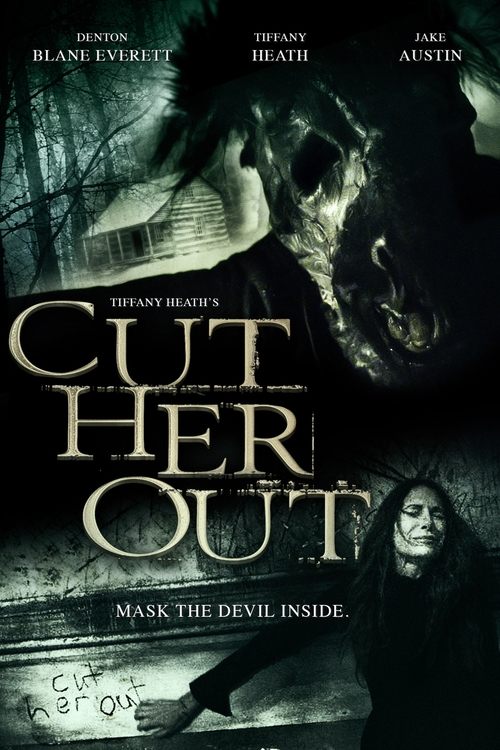
Cut Her Out functions as a mid-range psychological study that excels in its character-driven approach to trauma. It effectively centers neurodivergence and challenges the stability of the traditional family structure, offering a nuanced perspective on psychological struggle. However, the film lacks significant diversity in its cast, focusing primarily on a homogeneous domestic unit. The absence of explicit LGBTQ+ identities further limits its inclusivity. Ultimately, while the film deconstructs traditional family structures, it remains tied to conventional Western clichés regarding race and social identity.
Category Breakdown
The film explores a complex emotional bond between Darcy and Ryan, suggesting a non-traditional relationship dynamic despite not confirming queer identities. Professional and personal boundaries blur, hinting at a deeper connection.
The narrative centers on female trauma and psychological empowerment. By placing the male character in a supportive role, the film deviates from typical horror clichés where men typically lead the action.
The story focuses on a family homestead and specific lineage, emphasizing blood ties and a homogeneous cast aligned with traditional Western domestic themes.
The film critiques the sanctity of the family unit by portraying the maternal figure as abusive. It favors a secular, individualistic approach to healing over religious intervention.
Neurodivergence and psychological disabilities are central to the plot. Darcy’s sleepwalking and Sam’s feral muteness drive tension, though these portrayals may rely on familiar clichés.
Present on Screen
Limited or Absent
Official Synopsis
Plagued by nightmares and obsessive sleepwalking, Darcy Baker can't purge her mind of the animalistic abuse she suffered as a child at the hands of her mother. When Darcy's therapist Ryan is informed that her family homestead, the very source of her nightmares, has been abandoned, he is eager to get her back there and pull the suppressed memories to the surface in order to start her journey of healing. While Darcy has no interest in walking through the door to that hell, she does have a deep desire to win the love of Ryan and succumbs to his wishes to return to her childhood home. Upon arriving at the decrepit house, she and Ryan discover that the fear mother ignites in Darcy still lives. Even more unsettling, they uncover the existence of ten-year-old Sam, a feral mute, who keeps his secrets dangerously close to his heart. Ryan admirably risks it all to heal both Sam and Darcy, but is their blood bond thicker than the healing waters he has to offer?
2017
2007
2016
2019
2020

2014
2010

2008
No reviews yet. Be the first to share your thoughts on this movie!
Use the rating form above to leave a star rating and optional review.