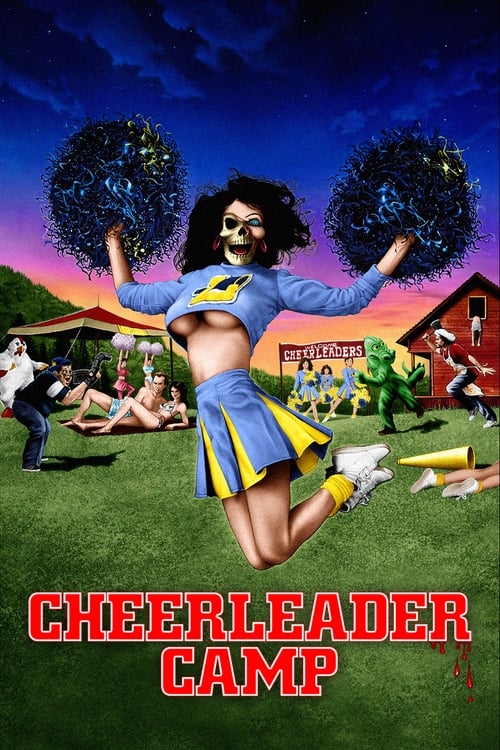
Cheerleader Camp
1988
No user ratings available yet
Representation score: 4.5 out of 10

Representation Score
Limited
1990
NRDirector
Jim Wynorski
Runtime
80 minutes
Average Rating
No ratings yetNew Showbiz Analysis
Sorority House Massacre II is a quintessential 1990s exploitation piece that prioritizes genre clichés over social complexity. It relies heavily on established horror-comedy conventions, limiting its capacity for diverse storytelling. The film centers on a female ensemble, yet these characters are often confined to roles defined by vulnerability. This focus on traditional slasher archetypes prevents the narrative from meaningfully challenging gender hierarchies. Ultimately, the production reflects the demographic homogeneity common in low-budget genre filmmaking of its era. It lacks the intentionality required to represent diverse racial, cultural, or identity-based perspectives.
Category Breakdown
The film follows the conventions typical of early 90s slasher comedies, focusing on straight relationships. There is no indication of LGBTQ+ narratives or characters with non-traditional gender identities.
The film highlights women through its female ensemble, but characters often fall into traditional gender roles. The narrative emphasizes vulnerability and physical danger within a sorority setting.
The cast appears to be from a single demographic group, lacking multi-ethnic representation. There is no indication of intentional blending of different backgrounds.
The story uses typical Western symbols like American college life and Ouija boards. It operates within conventional cultural frameworks without offering critical perspectives.
There is no evidence of characters with visible or invisible disabilities. A 'weird neighbor' is mentioned, but this serves as a cliché rather than meaningful representation of neurodiversity.
Present on Screen
Limited or Absent
Official Synopsis
Five college women buy the old Hokstedter place for their new sorority house. They got it cheap because of the bloody incidents from five years before. They decide to stay in it for the night so they can meet the movers in the morning, but begin to get the creeps when the weird neighbor Orville Ketchum starts poking around. Shortly after the women take showers and consult a Ouija board they begin experiencing an attrition problem.
1988
1988

1991

2006
1990

2006

1992
2005
No reviews yet. Be the first to share your thoughts on this movie!
Use the rating form above to leave a star rating and optional review.