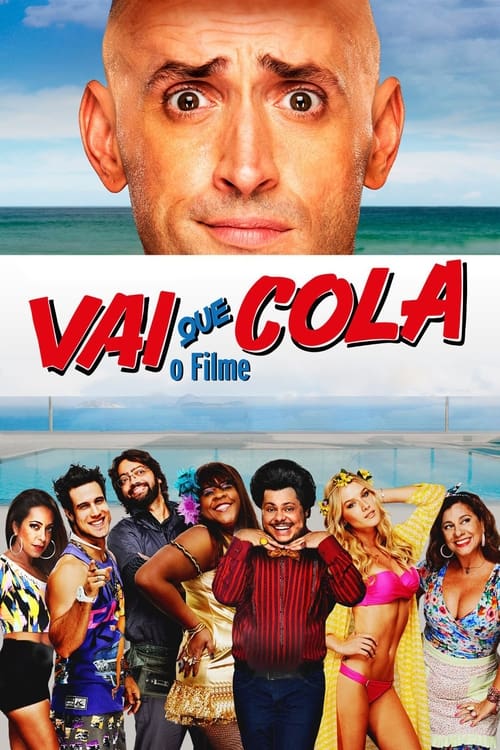
Vai Que Cola: O Filme
2015
No user ratings available yet
Representation score: 5.1 out of 10
Representation Score
Fair
2019
Director
César Rodrigues
Runtime
88 minutes
Average Rating
No ratings yetNew Showbiz Analysis
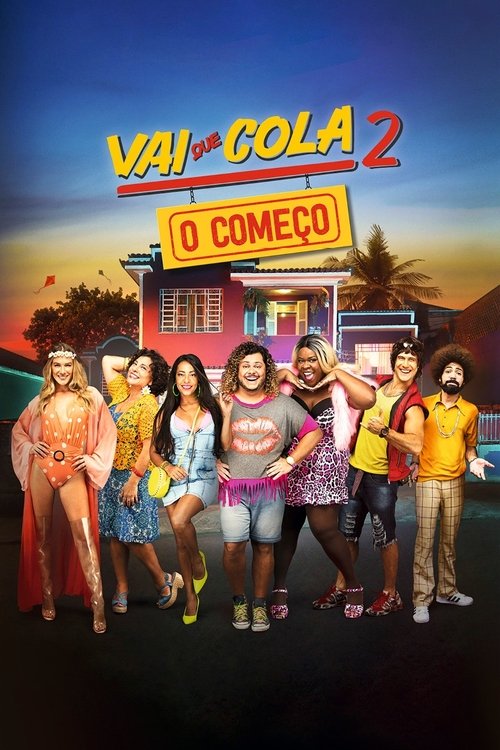
Vai que Cola 2: O Começo operates as a prequel that centers on the interactions of a specific ensemble within a communal Brazilian setting. By using a favela backdrop and traditional cultural elements, the film emphasizes localized identity. It excels in its racial and cultural grounding, moving away from uniform, middle-class narratives. However, the depth of character's ability to drive the story and multi-layered dynamics remain somewhat ambiguous. While the setting and archetypes suggest progressive themes, their concrete impact on the plot is not entirely clear.
Category Breakdown
The film includes characters like Ferdinando and Máicol, who are linked to queer-coded roles in Brazilian comedy. Although their romantic stories are not explicitly detailed, these identities play a key role in the ensemble.
Terezinha acts as the driving force behind the main event, giving a female character significant influence. This challenges traditional storytelling where male characters dominate.
The film sets its story in the Morro do Cerol, focusing on Afro-Brazilian and working-class communities. This move away from Eurocentric, upper-class settings highlights a more diverse, local perspective.
The communal feijoada serves as the main narrative engine, emphasizing local Brazilian traditions and grassroots social organization over globalized consumerist structures.
There is no information indicating the presence or portrayal of characters with physical or neurodivergent disabilities.
Present on Screen
Limited or Absent
Official Synopsis
Long before they socialized almost every day at Dona Jô's pension, Jéssica, Ferdinando and Máicol didn't even know each other. But when Terezinha decides to organize a big feijoada at Morro do Cerol, they all meet for the first time, in the most unusual way possible.
2015

2003
2014

2016
2017

2022
2021

2022
No reviews yet. Be the first to share your thoughts on this movie!
Use the rating form above to leave a star rating and optional review.