
The Memory Book
2014
No user ratings available yet
Diversity score: 3.0 out of 10
2000
RDirector
Gina Prince-Bythewood
Runtime
115 minutes
Average Rating
No ratings yetSynopsis
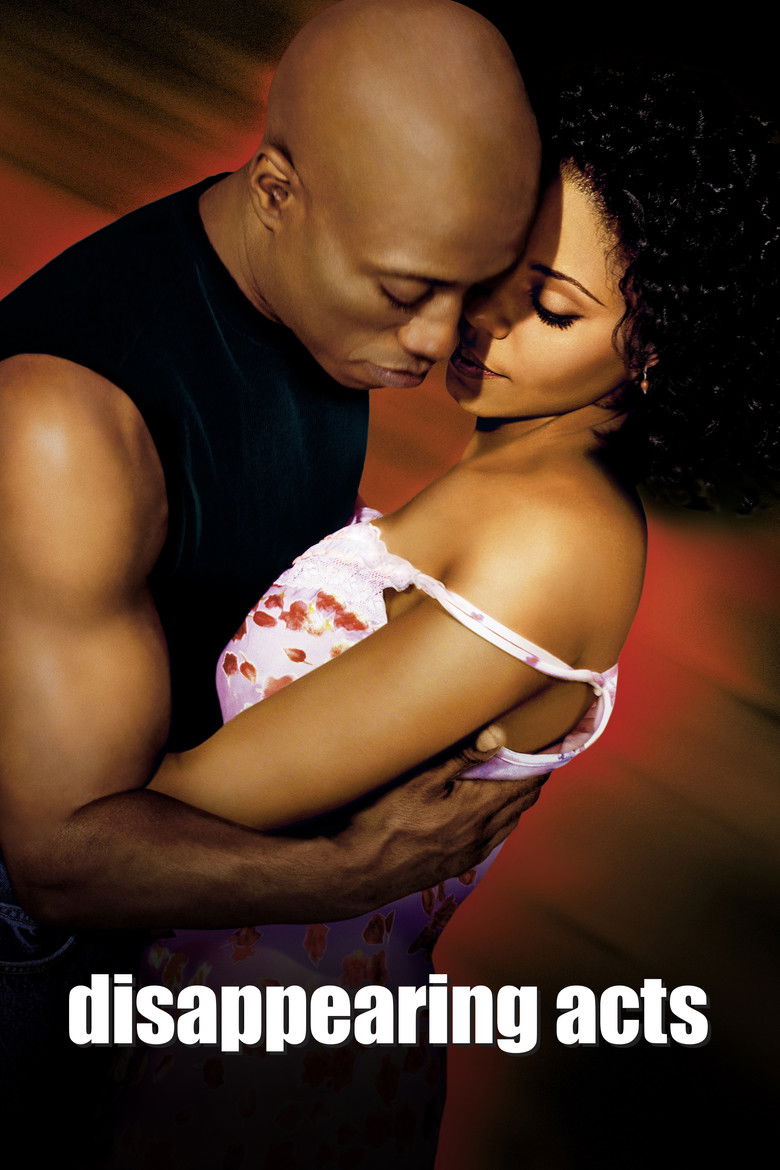
A struggling construction worker and an aspiring musician find themselves falling in love.
Overall Score
Good
Category Breakdown
LGBTQ+ Representation
The story centers on a heteronormative romantic relationship between Miles and Faye. While it avoids derogatory tropes, it lacks prominent non-cisnormative characters or narratives that critique heteronormativity.
Gender Representation
Faye’s professional ambitions and psychological autonomy disrupt conventional gender hierarchies. The narrative prioritizes her pursuit of independence rather than positioning her as a mere supportive partner.
Racial & Ethnic Diversity
The film features an almost entirely Black cast situated within Black urban life in New York City. Characters possess high agency and depth, avoiding the typical white gaze.
Religious & Cultural Diversity
The film offers a realistic, non-idealized view of urban existence and personal stability. It avoids wholesome, traditional depictions of family in favor of exploring romantic disillusionment.
Disability Representation
There are no central characters with visible or invisible disabilities present in the narrative context.
Strengths
Areas for Improvement
AI Analysis
Disappearing Acts succeeds as a sophisticated character study that centers Black female agency. By avoiding the white gaze and tokenism, the film treats its protagonists' racial and gendered experiences as the primary lens of the story. The narrative effectively subverts traditional Hollywood hierarchies, particularly through Faye's autonomy. However, the film remains tethered to a traditional romantic structure that lacks LGBTQ+ depth. Overall, the film's strength lies in its psychological realism and its intentional centering of Black identity within a specific urban landscape.
No reviews yet. Be the first to share your thoughts on this movie!
Use the rating form above to leave a star rating and optional review.