Double Revenge
1988
No user ratings available yet
Representation score: 0.2 out of 10
Representation Score
Minimal
1997
RDirector
David Worth
Runtime
90 minutes
Average Rating
No ratings yetNew Showbiz Analysis
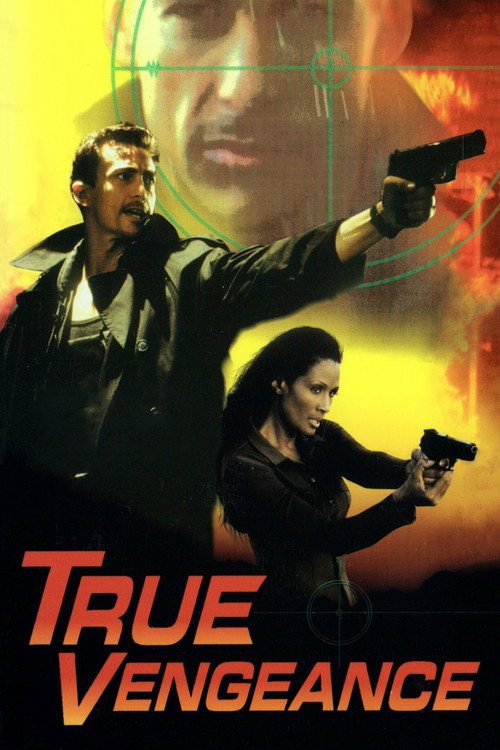
True Vengeance is a product of late-90s action cinema, prioritizing established genre clichés over nuanced representation. The film relies heavily on traditional masculine-centric narrative arcs and the 'protector' archetype. The story's focus on a father-daughter bond and a Western-centric view of organized crime limits its cultural depth. It functions primarily as a standard thriller without attempting to challenge social hierarchies or explore diverse identities. Ultimately, the film operates within a narrow framework of individualistic heroism, offering little in the way of nuanced representation or social critique.
Category Breakdown
The film follows a conventional structure centered on a paternal crisis, with no evidence of non-traditional gender or sexual identities. There are no narratives that critique traditional social norms.
The story centers on a male protagonist driven by traditional masculine archetypes of protection. While the daughter is a central figure, she serves as a passive victim rather than an active agent.
The inclusion of the Yakuza introduces East Asian cultural elements into the plot. However, these depictions risk relying on established organized crime clichés rather than offering nuanced portrayals of ethnic identity.
The narrative adheres to traditional Western cinematic values, emphasizing individualistic heroism and vigilantism. It utilizes a standard hero versus criminal organization framework common to 1990s action cinema.
There is no discernible evidence regarding the portrayal of physical or neurodivergent disabilities within the narrative.
Present on Screen
Limited or Absent
Official Synopsis
An ex-naval intelligence officer is forced to assassinate a CEO when his daughter is kidnapped by the Yakuza.
1988

2009
1996
1974
1994
1987

2007

1995
No reviews yet. Be the first to share your thoughts on this movie!
Use the rating form above to leave a star rating and optional review.