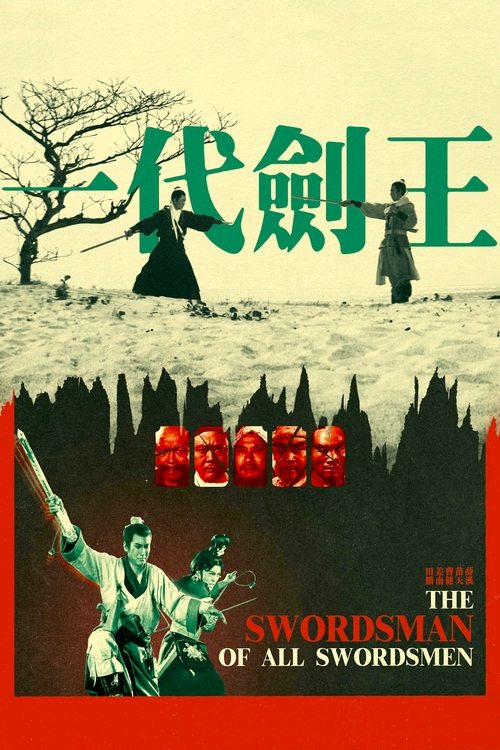
The Swordsman of All Swordsmen
1968
No user ratings available yet
Diversity score: 3.8 out of 10

1965
Director
Hsu Tseng-Hung
Runtime
88 minutes
Average Rating
No ratings yetSynopsis
Gui Wu happens upon a kidnapping with his wife Gan Lian-zhu at the Red Lotus Temple. Lian-zhu sends Wu to go for reinforcements while she stays to fight the kidnappers. Fortunately, the mysterious Scarlet Maid is surreptitiously helping her.
Overall Score
Limited
Category Breakdown
LGBTQ+ Representation
The film centers on a traditional marital unit between Gui Wu and Gan Lian-zhu. There is no evidence of non-cisnormative identities or same-sex intimacy within the narrative.
Gender Representation
Gan Lian-zhu displays notable agency by choosing to fight kidnappers rather than remaining passive. However, the presence of the mysterious Scarlet Maid suggests a lingering reliance on archetypal tropes.
Racial & Ethnic Diversity
The cast is culturally homogeneous, reflecting its specific regional and historical context. It provides a foundational representation of its ethnic heritage without modern multicultural blending.
Religious & Cultural Diversity
The story is grounded in traditional social hierarchies and moral codes, focusing on temple settings and martial honor. It emphasizes individual heroism and the protection of the family unit.
Disability Representation
The narrative contains no mention of characters navigating physical, sensory, or neurodivergent conditions.
Strengths
Areas for Improvement
AI Analysis
The film is a traditional Wuxia action piece that adheres closely to the social and narrative conventions of 1965. While it avoids the pitfalls of Westernized norms, it lacks the intersectional complexity found in modern cinema. Strengths include a moment of genuine female courage and a strong sense of cultural specificity. However, the film remains bound by heteronormative structures and traditionalist values. Ultimately, the work functions as a period-appropriate genre film that prioritizes established martial tropes over social subversion.
1968
1967

1970

1965
1967
1969
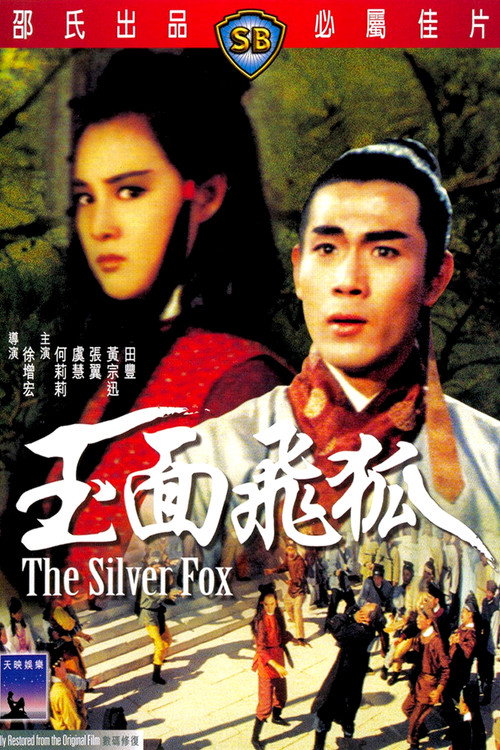
1968
No reviews yet. Be the first to share your thoughts on this movie!
Use the rating form above to leave a star rating and optional review.