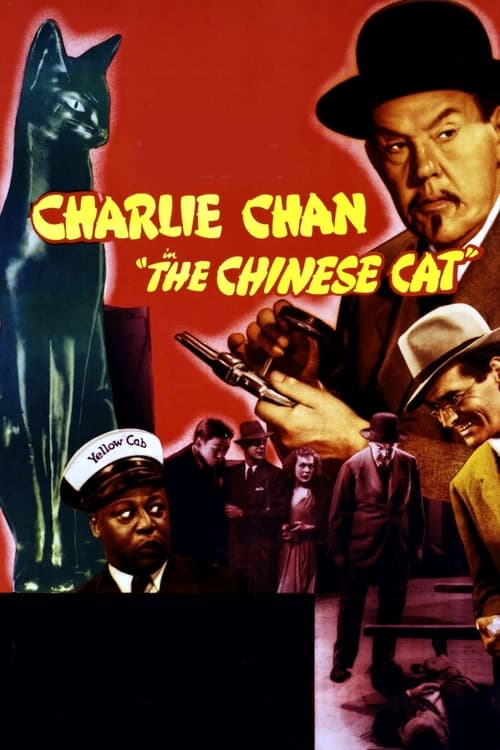
Charlie Chan in The Chinese Cat
1944
No user ratings available yet
Representation score: 1.3 out of 10
Representation Score
Limited
1946
NRDirector
Terry O. Morse
Runtime
64 minutes
Average Rating
No ratings yetNew Showbiz Analysis
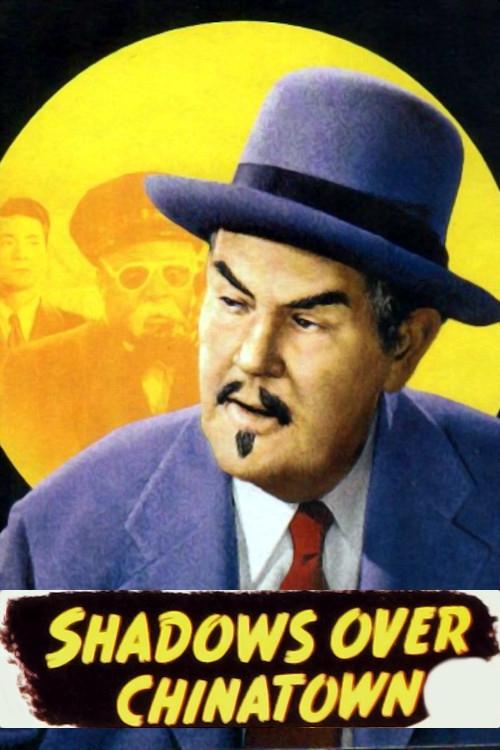
Shadows Over Chinatown functions as a conventional genre piece of its time. While the setting provides a platform for ethnic visibility, the film likely reinforces the social and cultural hierarchies prevalent in 1940s American cinema. The narrative focuses on a standard crime plot involving missing relatives and insurance schemes. This structure suggests a reliance on traditional storytelling rather than any subversive or deconstructive social commentary. Ultimately, the film offers visibility without depth, using its setting as a backdrop for a standard mystery rather than a vehicle for genuine cultural or social exploration.
Category Breakdown
The film does not include any characters with non-binary gender identities or same-sex relationships. It adheres to the assumption that everyone is straight or cisgender, which was common in 1946 cinema.
Female characters likely play supporting or domestic roles within the mystery-comedy framework. The story seems to favor male leadership over female involvement in the investigation.
The Chinatown setting ensures Asian visibility, but the depictions may rely on established mid-century stereotypes. The representation feels descriptive rather than transformative or nuanced.
The story operates within a standard Western crime framework focusing on individual criminal behavior. It lacks any critique of Western institutions or alternative cultural perspectives.
There is no information about characters with visible or invisible disabilities. The narrative does not address disability in any way.
Present on Screen
Limited or Absent
Official Synopsis
In San Francisco's Chinatown, Charlie helps two different people search for their missing relatives and uncovers a murder for insurance scheme.
1944
1934
1940
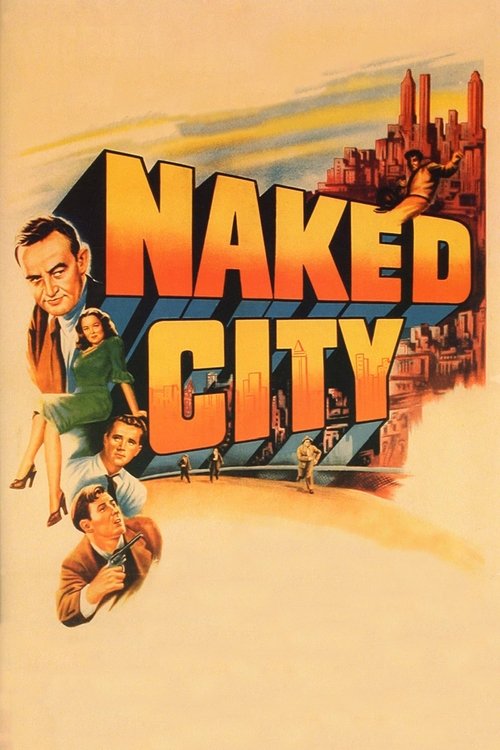
1948

1940
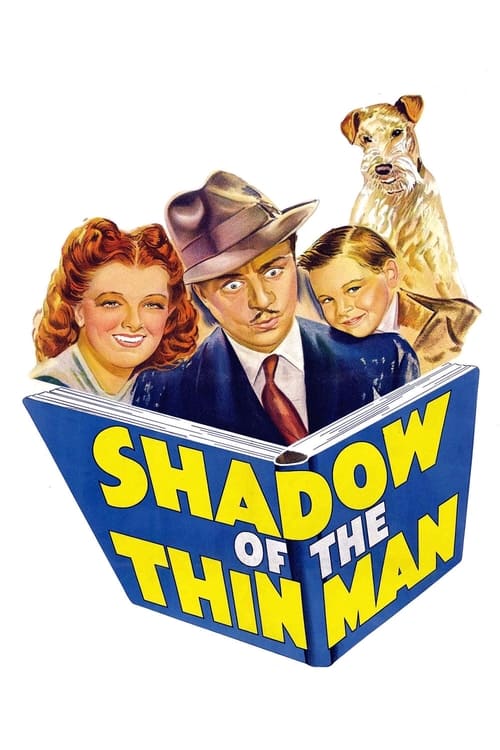
1941
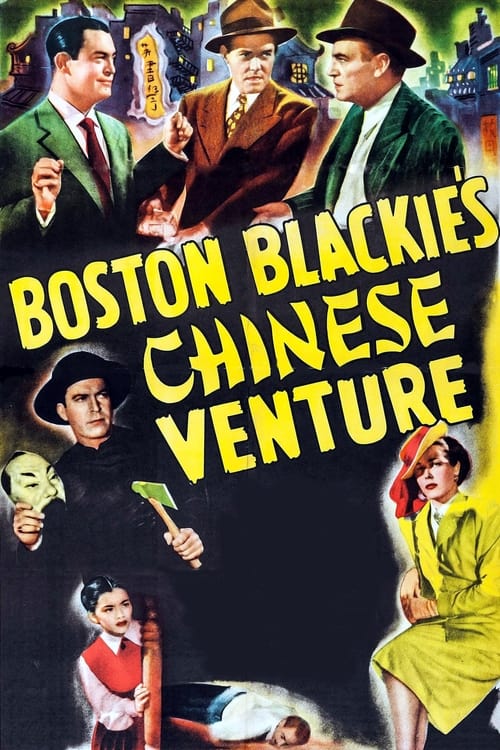
1949
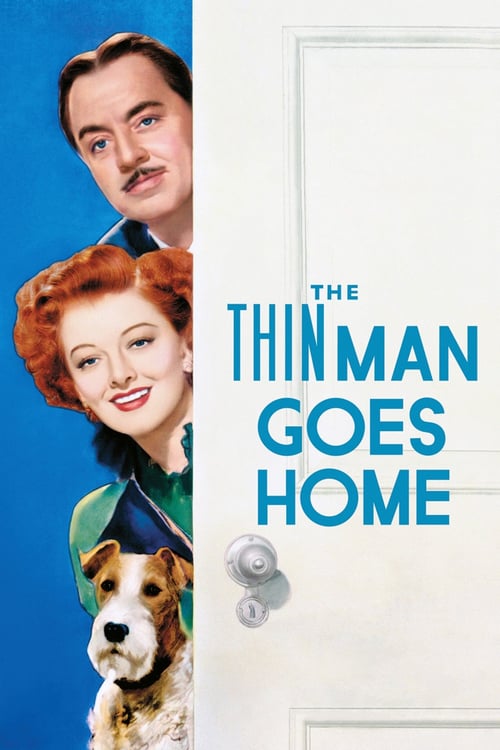
1944
No reviews yet. Be the first to share your thoughts on this movie!
Use the rating form above to leave a star rating and optional review.