The End of the Chain
2017
No user ratings available yet
Diversity score: 5.3 out of 10
2017
TV-MADirector
Rich Sturdevant
Runtime
82 minutes
Average Rating
No ratings yetSynopsis
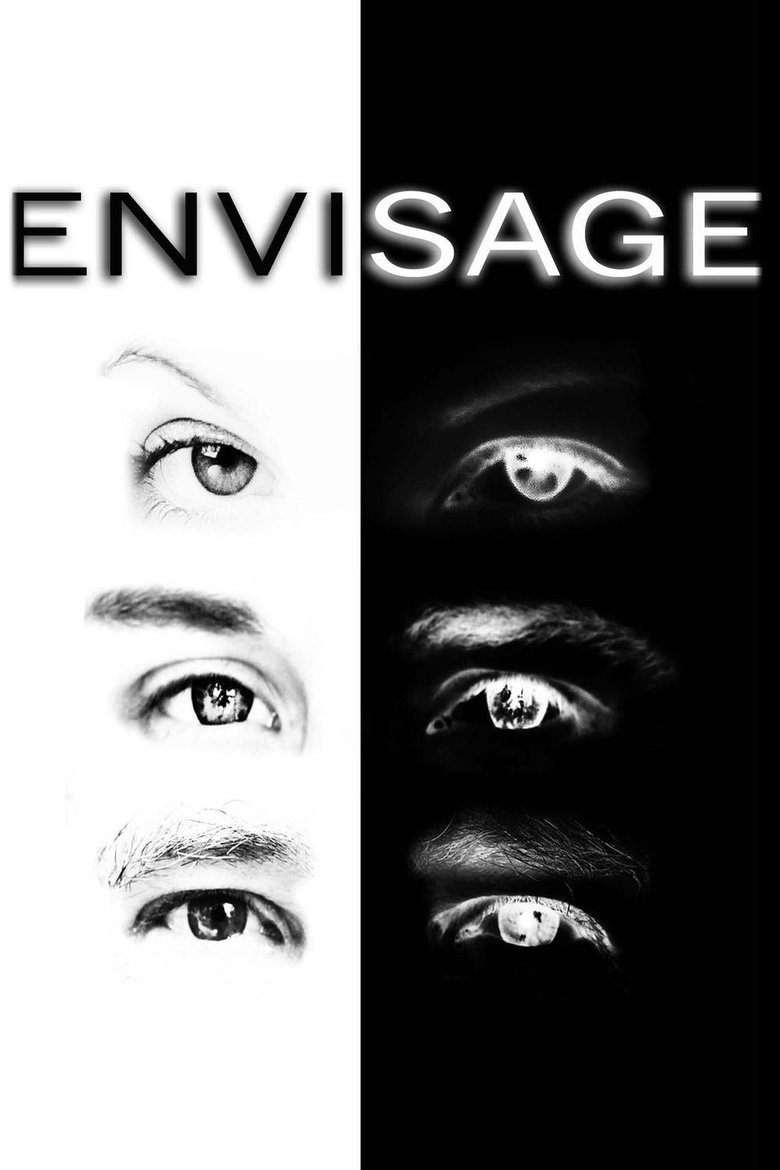
Follow a normal day in the life of three abnormal people to see what it's like to walk in another person's shoes for a day. Shot entirely in subjective camera, the audience will experience a day in the life of these three characters by hearing their internal monologue, dialog, and by seeing what they see as they go about their daily business. Since the movie is all about perception, all three characters lives intertwine in a scene that each character perceives completely different, leaving the audience to decide for themselves what really happened on this normal day. Each characters lives twist and turn as the movie progresses into a fun, yet different, cinematic adventure.
Overall Score
Fair
Category Breakdown
LGBTQ+ Representation
The film's focus on abnormal characters provides a structural framework for non-normative storytelling. However, specific gender identities or sexual orientations are not explicitly confirmed.
Gender Representation
The narrative centers on three individuals, allowing for a spectrum of gendered experiences. There is currently insufficient evidence to determine if the film subverts or reinforces traditional hierarchies.
Racial & Ethnic Diversity
The subjective camera technique offers a cinematic space to explore how racialized perception shapes social interaction. Specific casting details remain unconfirmed within the available overview.
Religious & Cultural Diversity
The film engages deeply with moral relativism by presenting a single scene through three different lenses. This rejects a singular truth in favor of subjective morality.
Disability Representation
Describing protagonists as abnormal suggests a focus on neurodivergence or psychological variance. Internal monologues effectively bridge the gap between internal states and external environments.
Strengths
Areas for Improvement
AI Analysis
Envisage is a formalist experiment that uses a first-person subjective camera to explore the fragmentation of reality. By centering the internal monologues of three abnormal individuals, the film disrupts traditional omniscient narration in favor of individual perception. The film's strength lies in its refusal to provide a definitive version of events, empowering character perspectives. This structural commitment to perspectivism suggests a narrative design that challenges singular, authoritative viewpoints. While the specific demographic identities of the cast are unverified, the film's intent to prioritize individual perception over systemic consensus indicates a progressive approach to narrative construction.
2017
2005

2018

2018
1996
2019

2020
2020

2010
2016

1982

2024
No reviews yet. Be the first to share your thoughts on this movie!
Use the rating form above to leave a star rating and optional review.