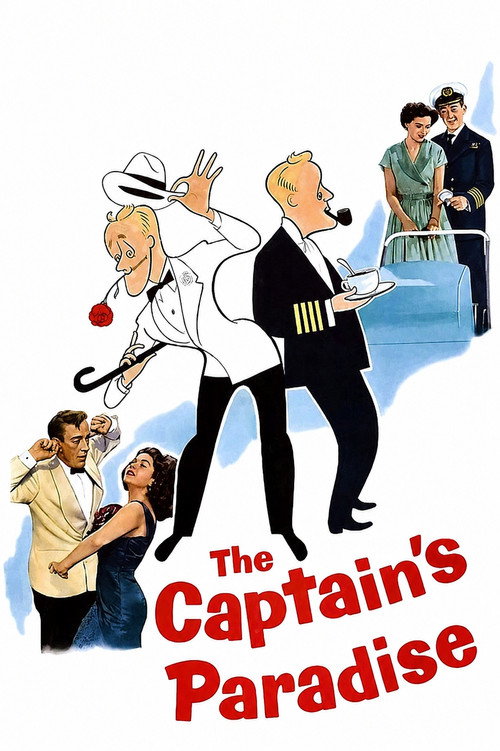
The Captain's Paradise
1953
No user ratings available yet
Representation score: 1.3 out of 10
Representation Score
Minimal
1958
Director
Herbert Wilcox
Runtime
82 minutes
Average Rating
No ratings yetNew Showbiz Analysis
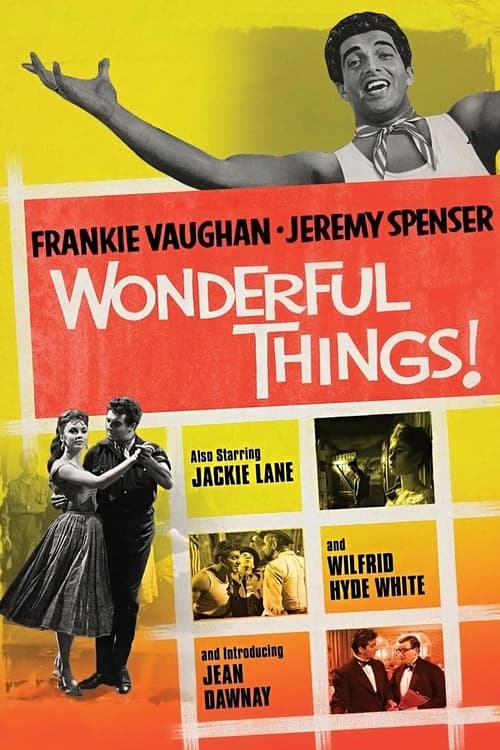
Wonderful Things is a product of its era, prioritizing classical storytelling and traditional romantic clichés. The film adheres to mid-century cinematic conventions, focusing on established social hierarchies and conventional domestic goals. While the Mediterranean setting offers a slight departure from purely British domesticity, the film lacks depth in exploring diverse identities. The narrative structure reinforces traditional masculine roles and Western values without attempting to challenge systemic structures. Ultimately, the film functions as a standard romantic comedy-drama that maintains the status quo of its time.
Category Breakdown
The film does not include any LGBTQ+ characters or stories that explore non-straight relationships. It focuses on traditional heterosexual romance.
The story relies on conventional gender roles where the male character drives the plot as a provider, while the female character is defined by her personality traits.
The Mediterranean setting in Gibraltar adds some ethnic variety. However, the story mainly follows a standard migration cliché as the protagonist moves to England.
The narrative emphasizes mid-century Western values such as marriage and economic stability. It reinforces traditional social milestones without challenging them.
There are no characters with visible or invisible disabilities mentioned in the story.
Present on Screen
Limited or Absent
Official Synopsis
Set in a beautiful fishing village in Gibraltar, Wonderful Things! stars Frankie Vaughan as Carmello, a young fisherman who, unable to earn enough from fishing to marry his tempestuous fiancée, decides to come to England to seek his fortune and finds fortunes are not quite so easy to come by.
1953

1945
1956
1955

1966

1946
1954
1955
No reviews yet. Be the first to share your thoughts on this movie!
Use the rating form above to leave a star rating and optional review.