A Fairly Odd Summer
2014
No user ratings available yet
Representation score: 2.0 out of 10
Representation Score
Limited
2011
PGDirector
Savage Steve Holland
Runtime
57 minutes
Average Rating
No ratings yetNew Showbiz Analysis
The film sticks to conventional genre standards, focusing on maintaining nostalgia rather than evolving into a more progressive story. It depends heavily on well-known comedic formulas and traditional social structures. While the movie avoids harmful stereotypes, it does not aim to challenge the usual expectations around gender, race, or identity. The story upholds typical developmental stages and traditional romantic structures. Overall, the narrative maintains the status quo of the franchise without offering new or subversive storytelling approaches.
Category Breakdown
The film follows traditional structures where everyone is assumed to be straight or cisgender. The central romance between Timmy and Tootie emphasizes conventional courtship.
Tootie evolves from a dorky kid to an attractive woman, which pushes Timmy towards maturity. The story relies on conventional gender roles with little influence from female characters.
The cast is mostly made up of similar types of people, typical for mid-2000s Nickelodeon shows. There is no effort to include diverse ethnic backgrounds.
The story revolves around a standard conflict involving an oil tycoon. It includes comedic dysfunction but doesn't critically examine Western institutions.
The film does not feature any characters with visible or invisible disabilities. There is no representation of neurodivergent individuals or the use of disability in the narrative.
Present on Screen
Limited or Absent
Official Synopsis
The television movie is set in the city of Dimmsdale and centers on the series' main protagonist Timmy Turner with his fairy godparents Cosmo and Wanda and his fairy godbrother Poof. In the movie, Timmy is now 23 years old but is still in fifth grade with his fairy-obsessed fifth grade teacher Mr. Crocker. Despite being grown up, Timmy finds a loophole in the fairy rulebook Da Rules: if he continues to act like a kid, he will still get to keep his fairies. However, the dilemma rises when Tootie, who was once a dorky girl when she was 10 years old, returns to Dimmsdale as an attractive woman. Timmy falls in love with her, a sign that he is growing up to an adult, which means he is closer to losing his fairies. Meanwhile, an oil business tycoon named Hugh J. Magnate, Jr., who teams up with Mr. Crocker, plans to use Timmy's fairies' magic in order to promote his oil business.
2014
2001
2013
2013
1997
2020
1998
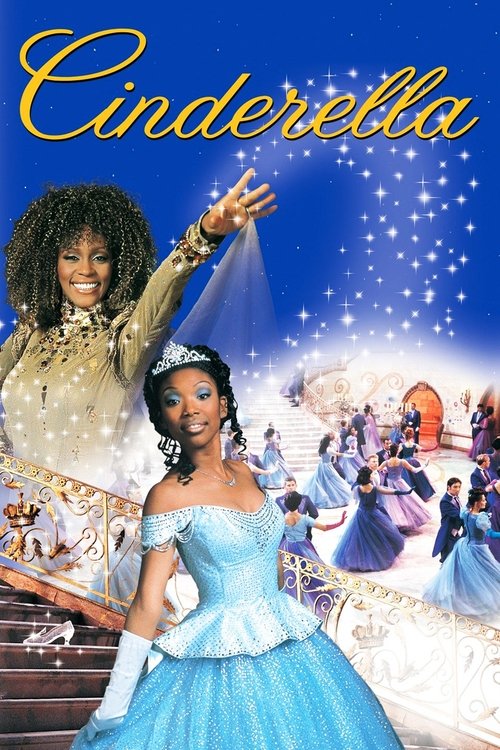
1997
No reviews yet. Be the first to share your thoughts on this movie!
Use the rating form above to leave a star rating and optional review.