Can You Ever Forgive Me?
2018
No user ratings available yet
Representation score: 8.0 out of 10
Representation Score
Good
2002
RDirector
Spike Jonze
Runtime
115 minutes
Average Rating
No ratings yetNew Showbiz Analysis
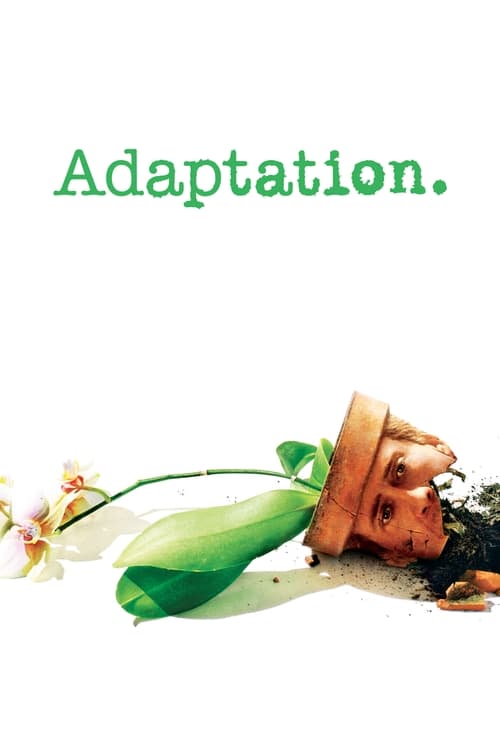
Adaptation is a sophisticated, postmodern work that prioritizes intellectual subversion over broad demographic representation. It serves as a meta-fictional critique of the Hollywood studio system and its demand for marketable, polished narratives. The film's strength lies in its narrative structure, which deconstructs the traditional hero's journey. It replaces conventional resolution with a fragmented, self-reflexive reality that mirrors the protagonist's internal cognitive loops. While the film lacks significant racial and LGBTQ+ diversity, it offers a deep exploration of neurodivergence and a potent critique of Western capitalist creative mandates.
Category Breakdown
The film focuses on typical social anxieties and does not center LGBTQ+ identities or provide a platform for LGBTQ+ individuals to take a leading role.
The movie challenges traditional male dominance by highlighting male vulnerability and inadequacy. Female characters such as Susan Orlean and Laura have significant intellectual roles and practical stability.
The cast and setting are primarily Anglo-Saxon, and the narrative remains centered within a largely homogeneous professional environment without incorporating diverse ethnic viewpoints.
The film excels in criticizing Western institutional structures and the capitalist machinery of the film industry. It emphasizes authentic human struggles over marketable storytelling norms.
The protagonist is portrayed with profound neurodivergence and psychological distress. His obsessive tendencies and social alienation are shown as a complex, lived reality.
Present on Screen
Limited or Absent
Official Synopsis
Charlie Kaufman is a confused L.A. screenwriter overwhelmed by feelings of inadequacy, sexual frustration, self-loathing, and by the screenwriting ambitions of his freeloading twin brother Donald. While struggling to adapt "The Orchid Thief," by Susan Orlean, Kaufman's life spins from pathetic to bizarre. The lives of Kaufman and Orlean's book become strangely intertwined as each one's search for passion collides with the other's.
2018

1983

2015
2014

1991

1981

2003
1991
No reviews yet. Be the first to share your thoughts on this movie!
Use the rating form above to leave a star rating and optional review.