
Love Live! The School Idol Movie
2015
No user ratings available yet
Representation score: 5.4 out of 10

Representation Score
Minimal
2008
Director
Keiichiro Kawaguchi
Runtime
17 minutes
Average Rating
No ratings yetNew Showbiz Analysis
The film opens on a high-saturation stage performance, establishing the "Live" aspect through synchronized choreography and lens flares. This visual language sells a specific product: the eternal, pristine idol. The narrative follows Chihaya, Miki, and Haruka as they are dragged into minor adventures, but the plot serves only as a vehicle to keep the girls on screen and in motion. The camera loves the group as a unit, offering brief close-ups that highlight individual "charms" for the viewer to consume, while the lighting remains consistently flattering. The sold meaning is that the idols are real, accessible, and that the fan’s consumption is a virtuous, shared experience. The film’s argument is that entertainment is a good thing, and the moral framing is that the fan should support the idol. However, the internal logic reveals a hollow center: the idols never pay for their labor or the constraints of their image. They remain unblemished and perpetually young, while the "manager" or fan does the enabling work. The "joke" is on the audience for wanting more, as the film celebrates the manufactured perfection of the idol industry without satirizing it. The last image is a group bow or fade-out on the stage performance, reinforcing the cycle of performance rather than offering a narrative resolution. The ending rewards the audience with the spectacle of the idols, not a character arc. This 2008 promotional piece, part of the *iDOLM@STER* franchise, situates itself firmly in the era of Japanese idol media, where the product is the parasocial relationship. The film’s values settle on the idea that the female body is a commodity to be polished and displayed, and the male gaze is the consumer who validates the idol’s existence. The legend printed is that of the "eternal idol," a being who exists only for the audience’s pleasure, never aging, never failing, and never having a private life.
Category Breakdown
No queer identities or same-sex intimacy appear. The social world remains strictly heterosexual, focusing entirely on the idol-fan dynamic without non-binary characters.
Women center the narrative, yet their competence is framed as performative labor for male consumption. Men act as background figures who validate the idols without bearing the performance burden.
The cast is exclusively Japanese, reflecting the specific cultural context of the 2008 idol industry. No non-Japanese characters or cross-cultural dynamics are depicted in the film.
The idol industry is treated as a self-contained, meritocratic bubble where youth is the only currency. Traditional family structures are absent, replaced by the commercial chosen family of the production company.
All characters possess idealized, able-bodied, youthful physiques. No physical or mental impairments are shown, and the idol standard implicitly excludes non-normative bodies from the stage.
Present on Screen
Limited or Absent
Official Synopsis
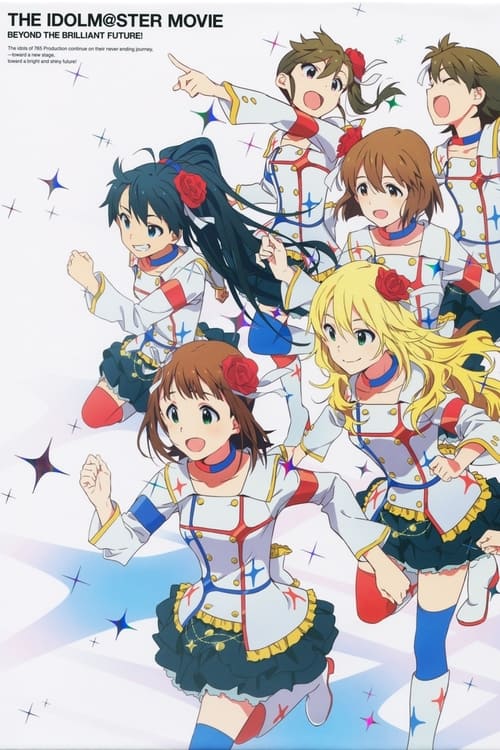
On the day before the 765 Productions Fan Appreciation Event, each of the idols prepare to head home. However, Chihaya Kisaragi, uneasy about tomorrow's events, decides to have a last minute personal rehearsal. One thing leads to another as Chihaya, Miki and Haruka are dragged from one exciting situation to the next. What is the truck driver's true destination? What is the secret behind the old house? Will the girls make it in time for the event? Watch as Miki, Haruka, Chihaya and the other idols join together for their biggest adventure yet!
2015

2022

2002

2011

2019
2014

2014

2009
No reviews yet. Be the first to share your thoughts on this movie!
Use the rating form above to leave a star rating and optional review.