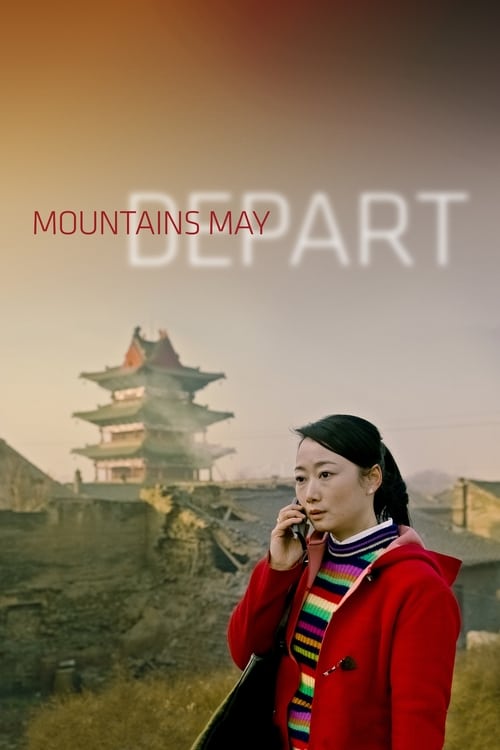
Mountains May Depart
2015
No user ratings available yet
Representation score: 7.5 out of 10
Representation Score
Good
2008
Director
Jia Zhangke
Runtime
19 minutes
Average Rating
No ratings yetNew Showbiz Analysis
Jia Zhangke’s drama succeeds as a profound meditation on the human cost of rapid industrialization. It moves beyond simple romance to explore how economic upheaval shapes personal intimacy and ability to act. The film's strength lies in its ability to critique systemic displacement through a localized, working-class lens. However, the film remains narrow in its demographic scope. The lack of LGBTQ+ representation and disability visibility limits its inclusivity. While the cultural critique is intellectually rigorous, the narrative stays within traditional social frameworks. Ultimately, the work is a specialized study of a specific time and place. It prioritizes socioeconomic realism and cultural erosion over broad-spectrum diversity, resulting in a film that is deeply meaningful but demographically concentrated.
Category Breakdown
The film does not include explicit LGBTQ+ narratives or non-cisgender identities. Character dynamics revolve around traditional romantic pairings influenced by socioeconomic pressures rather than straight-centered ideals.
Women are shown navigating the challenges of a changing labor market. They exhibit resilience and play a significant role in driving the story while balancing domestic responsibilities with industrial demands.
The cast is primarily Han Chinese, reflecting the demographics of Datong. This localized focus provides a specific perspective on the working class without mainstream homogenization.
The narrative offers a sophisticated critique of how capitalist expansion and modernization affect local communities. It highlights the tension between systemic mandates and individual dignity.
There are no prominent depictions of physical or neurodivergent disabilities. Such traits are not used as central plot devices or character elements.
Present on Screen
Limited or Absent
Official Synopsis
An ancestral city; through its delicious botanical garden and its branched canals, we observe the clues and traces of its ancient culture. Two couples of men and women, former lovers, meet again one year later. The yesterday's breath of youth is still perceptible in their conversations. Is it still possible for us to love? Does youth really have an end? Like the networks linking the old city, what type of ecological existence does their culture require?
2015
2007
2001
1986
2006
2014
2014
2002
No reviews yet. Be the first to share your thoughts on this movie!
Use the rating form above to leave a star rating and optional review.