Come Back to Me
2014
No user ratings available yet
Representation score: 4.2 out of 10
Representation Score
Limited
2014
RDirector
Tyler Gillett, Matt Bettinelli-Olpin
Runtime
89 minutes
Average Rating
No ratings yetNew Showbiz Analysis
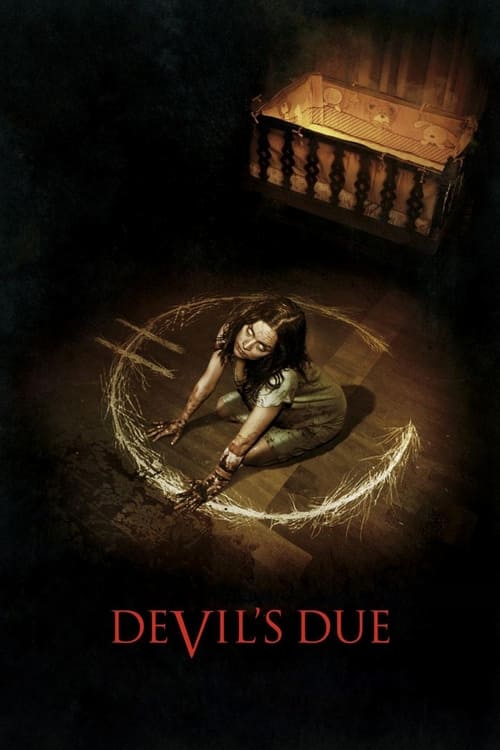
Devil's Due is a conventional horror film that relies heavily on established genre clichés and a traditionalist approach to character development. The narrative prioritizes supernatural dread over social critique, presenting a largely homogeneous world in terms of race, sexuality, and ability. While the female protagonist plays a central role, her influence is tied to traditional biological vulnerabilities, reinforcing existing social hierarchies rather than challenging them.
Category Breakdown
The film focuses solely on heterosexual relationships and does not include any characters with non-traditional gender identities. It also does not address any critiques related to the assumption that everyone is straight or cisgender.
The story emphasizes the female experience, particularly during pregnancy. However, gender roles remain traditional, highlighting male protective instincts and biological struggles.
The casting is predominantly white and middle-class, lacking diversity in race and culture. The narrative does not engage with different cultural perspectives.
Religious imagery is used as a plot device for protection. The film explores the breakdown of the family unit through supernatural horror rather than addressing systemic issues.
There is no meaningful representation of neurodivergence or physical disabilities. The film's focus on abnormality is limited to supernatural and demonic elements.
Present on Screen
Limited or Absent
Official Synopsis
An unexpected pregnancy takes a terrifying turn for newlyweds Zach and Samantha McCall.
2014
2020
2014
2015
2019
2007
2018
2017
No reviews yet. Be the first to share your thoughts on this movie!
Use the rating form above to leave a star rating and optional review.