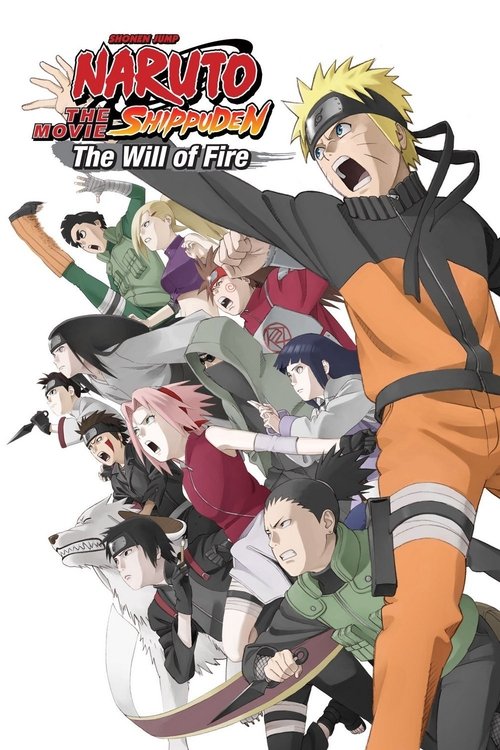
Naruto Shippuden the Movie: The Will of Fire
2009
No user ratings available yet
Representation score: 3.8 out of 10

Representation Score
Fair
2011
TV-14Director
Masahiko Murata
Runtime
108 minutes
Average Rating
No ratings yetNew Showbiz Analysis
Blood Prison stands out for its thematic depth, particularly in critiquing institutional corruption. By depicting the prison system as a predatory entity, the film goes beyond simple action to explore anti-authoritarianism and systemic injustice. While the film lacks explicit multi-layered identity markers or diverse representation of disabilities and LGBTQ+ identities, it disrupts traditional power hierarchies. The narrative centers on a rebellion against a corrupt state rather than upholding order. Ultimately, the film’s strength lies in its moral complexity. It uses its setting to challenge the integrity of centralized authority, providing a sophisticated framework for its high-stakes thriller plot.
Category Breakdown
The film does not include any LGBTQ+ characters or narratives. Relationships focus on friendship and combat within the franchise’s established canon.
Sakura Haruno is portrayed as a strong, active character who contributes intellectually and physically. She is not a passive supporter but takes charge in critical situations.
The cast includes characters from various geopolitical regions, such as Konoha and Kumogakure, reflecting a diverse world. However, the visual style adheres closely to the franchise’s established look without significant changes.
The story provides a deep critique of institutional corruption. It portrays the Blood Prison as a harmful institution, fostering skepticism towards centralized authority and systemic exploitation.
The film does not focus on visible or hidden disabilities. Characters are defined by their combat skills and political roles rather than physical or cognitive differences.
Present on Screen
Limited or Absent
Official Synopsis
After his capture for attempted assassination of the Raikage, leader of Kumogakure, as well as killing Jōnin from Kirigakure and Iwagakure, Naruto is imprisoned in Hōzukijou: A criminal containment facility known as the Blood Prison. Mui, the castle master, uses the ultimate imprisonment technique to steal power from the prisoners, which is when Naruto notices his life has been targeted. Thus begins the battle to uncover the truth behind the mysterious murders and prove Naruto's innocence.
2009

2007

2010

2008

2004

2012

2010

2008
No reviews yet. Be the first to share your thoughts on this movie!
Use the rating form above to leave a star rating and optional review.