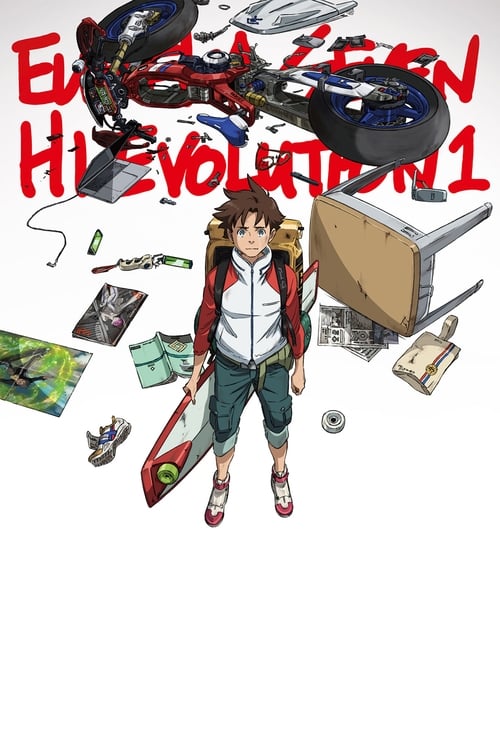
Eureka Seven Hi-Evolution 1
2017
No user ratings available yet
Representation score: 6.2 out of 10
Representation Score
Good
1998
NRDirector
Yasunao Aoki
Runtime
90 minutes
Average Rating
No ratings yetNew Showbiz Analysis
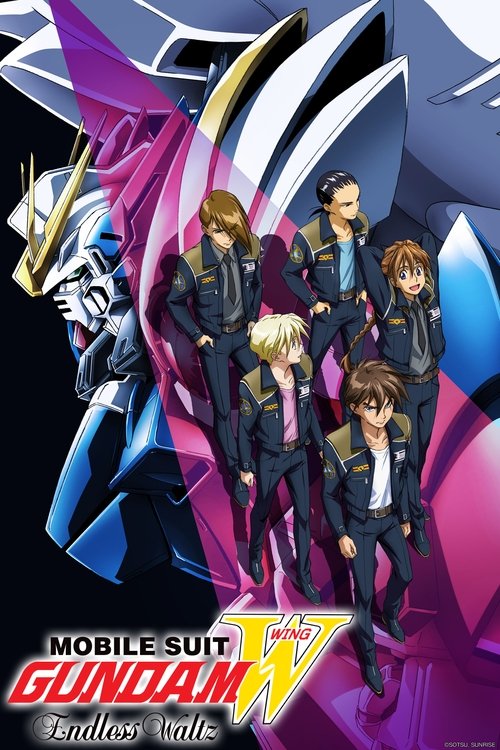
Gundam Wing: The Endless Waltz excels at deconstructing traditional power structures and gendered clichés. By elevating Relena Peacecraft from a passive figure to a political powerhouse, the film shifts the focus from combat to diplomacy. The world-building is notably globalized, utilizing a diverse ensemble to move beyond Anglo-centric storytelling. However, the film remains limited in its exploration of identity. It lacks LGBTQ+ representation and treats the psychological trauma of its characters as broad thematic elements rather than specific, nuanced depictions of disability.
Category Breakdown
The film does not include explicit LGBTQ+ characters or scenes of same-sex intimacy. The character dynamics remain focused on heterosexual relationships throughout the narrative.
Relena Peacecraft challenges the damsel cliché by becoming a key political leader with significant diplomatic influence. Despite the male-dominated pilot ensemble, the film emphasizes female-led pacifist agendas over traditional masculine combat roles.
The cast includes characters like Wufei Chang, avoiding a Western-centric perspective. The diverse backgrounds of the pilots suggest a globalized, post-nationalist world-building approach.
The narrative critiques the military-industrial complex and centralized state power. It promotes a secular, pacifist morality that challenges traditional geopolitical structures and institutionalized warfare.
The film examines the psychological impact of combat as a thematic element. However, these mental states are used more as broad archetypes rather than nuanced depictions of lived disability or neurodivergence.
Present on Screen
Limited or Absent
Official Synopsis
After Colony (A.C.) 196, one year following the end of the battles between the Earth Sphere and the space colonies, peace has spread throughout. The Gundam pilots find themselves attempting to rebuild their lives. No longer having need of their weapons of war, their Gundams are sent into the sun to be destroyed. But suddenly, Relena Darlian, now a high-ranking government official, is kidnapped by a colony with aspirations of total dominance. The pilots and their allies find themselves called into action once again. The Endless Waltz has resumed...
2017
1984
2010
2006

2021
1991

2022
1992
No reviews yet. Be the first to share your thoughts on this movie!
Use the rating form above to leave a star rating and optional review.