
The Secret of My Success
1987
No user ratings available yet
Representation score: 2.3 out of 10

Representation Score
Fair
1989
RDirector
Valerie Breiman
Runtime
97 minutes
Average Rating
No ratings yetNew Showbiz Analysis
Going Overboard succeeds as a study of gendered professional landscapes, particularly by challenging traditional hierarchies in a maritime setting. Female characters take a leading role in driving the plot, confronting systemic skepticism and masculine gatekeeping. However, the film lacks broader representation. Set in the 1950s, it features a homogeneous cast that misses opportunities for racial and LGBTQ+ diversity, focusing instead on a narrow view of mid-century social structures. Ultimately, the film's strength lies in its portrayal of women's ability to drive the story and the dismantling of institutional barriers, despite being constrained by the social norms of its time.
Category Breakdown
The film does not include any explicit LGBTQ+ characters or explore non-cisgender identities. It is set in a strictly heterosexual 1950s context that does not address queer narratives.
The story centers on women entering a highly masculine maritime environment. These women play a significant role in driving the plot through their professional perseverance and determination.
Set in mid-century Australia, the cast is predominantly white. The narrative focuses on socioeconomic class and gender issues without incorporating diverse ethnic or non-Anglo-Saxon perspectives.
The film critiques patriarchal Western institutions within the maritime industry. It portrays the disruption of the 'male-only' workforce as a necessary professional evolution.
There are no prominent depictions of visible or invisible disabilities that shape the narrative or serve as significant character arcs.
Present on Screen
Limited or Absent
Official Synopsis
A struggling young comedian takes a menial job on a cruise ship where he hopes for his big chance to make it in the world of cruise ship comedy.
1987
1970
1980

2008

2011
1976
1999
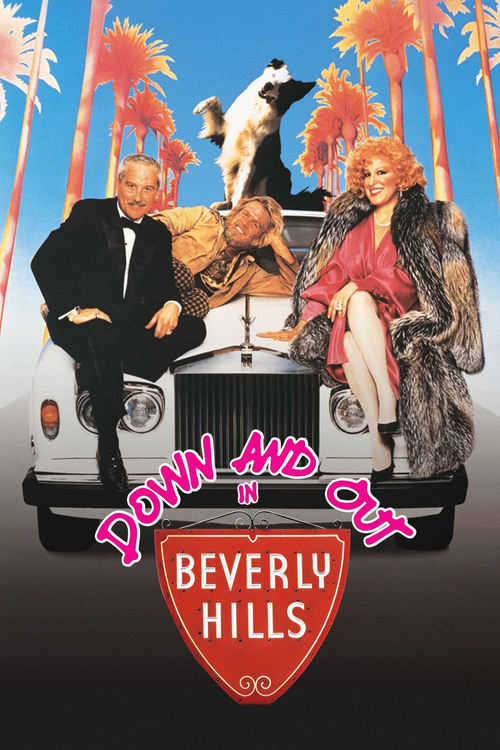
1986
No reviews yet. Be the first to share your thoughts on this movie!
Use the rating form above to leave a star rating and optional review.