Saving My Daughter
2021
No user ratings available yet
Representation score: 0.9 out of 10
Representation Score
Limited
2016
Director
Clenét Verdi-Rose
Runtime
93 minutes
Average Rating
No ratings yetNew Showbiz Analysis
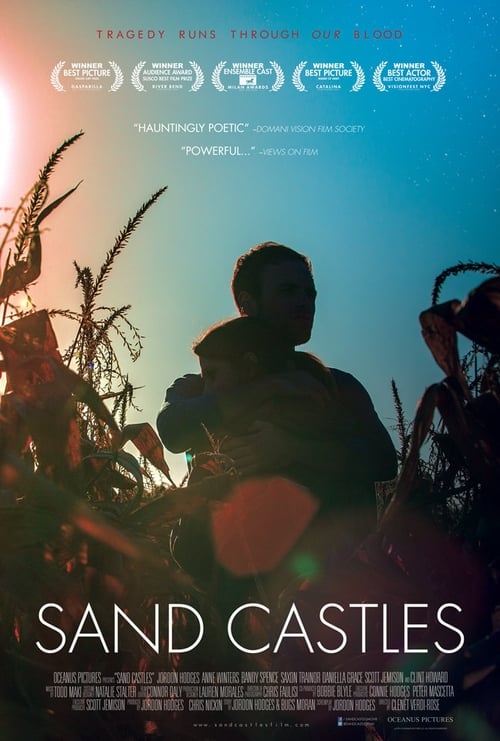
Sand Castles is a localized psychological thriller that delves into individual trauma rather than broader social issues. The film finds its strength in the breakdown of a family unit facing poverty and the aftermath of long-term captivity. While the film offers a nuanced look at invisible disabilities through Lauren's mutism, it lacks a broader multi-layered perspective. The narrative remains centered on a specific, rural domestic struggle without challenging larger social hierarchies. Ultimately, the work functions as a character-driven drama. It succeeds in exploring the fragility of the family structure but offers limited representation of diverse identities.
Category Breakdown
The film does not include any visible LGBTQ+ characters or stories about non-cisgender identities. It operates within a traditional framework that assumes everyone is straight.
The story centers around Lauren, a woman experiencing trauma. The narrative follows a conventional dramatic structure focused on traditional family roles.
Set in rural Indiana, the film focuses on an impoverished white family without clear evidence of racial diversity. The casting suggests a typical domestic drama.
The film explores the instability of the family unit and the impact of systemic poverty. It challenges the traditional family structure through the lens of trauma.
Lauren’s mutism serves as a central plot driver, highlighting the impact of an invisible disability. The narrative focuses on how this condition affects family dynamics.
Present on Screen
Limited or Absent
Official Synopsis
In rural Indiana, Noah and his impoverished family wrestle with the mysterious return of his now mute sister, Lauren, who was kidnapped and held captive for over a decade.
2021
2015

2015
2014
2011
2013

2017
2013
No reviews yet. Be the first to share your thoughts on this movie!
Use the rating form above to leave a star rating and optional review.