
No Date, No Signature
2017
No user ratings available yet
Representation score: 3.2 out of 10
Representation Score
Good
2017
Director
Asghar Yousefinejad
Runtime
78 minutes
Average Rating
No ratings yetNew Showbiz Analysis
The film succeeds as a work of social realism, primarily through its challenge to gendered authority. By centering the conflict on a young woman's decision-making, it challenges traditional hierarchies and religious hegemony. However, the narrative is quite narrow in its demographic scope. It lacks LGBTQ+ representation and multi-ethnic casting, focusing instead on a localized, homogeneous social environment. Ultimately, the film's strength lies in its intellectual critique of institutional power and its elevation of women's ability to drive the story within a restrictive framework.
Category Breakdown
The film does not include explicit LGBTQ+ characters or storylines. Instead, it focuses on familial and communal structures within a specific religious context.
Sayeh plays a significant role in challenging patriarchal and religious expectations. She holds intellectual and moral authority over male-dominated rituals.
The cast is highly homogeneous, reflecting the specific ethnic reality of Tehran. It avoids Western-centric clichés by providing an authentic, non-Western perspective.
The plot critiques traditional institutions by pitting religious rites against secular scientific mandates. It examines the pressure exerted by religious and familial structures.
There is no central depiction of physical or neurodivergent disabilities. The film explores human vulnerability through grief rather than through disability-driven narratives.
Present on Screen
Limited or Absent
Official Synopsis
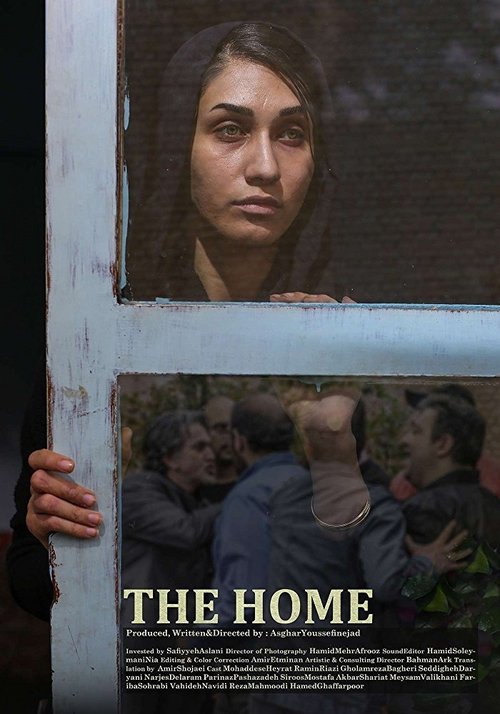
The story follows the aftermath of the death of an old man, the body of whom is brought back to his home where he lived with only child, Sayeh (Mohadeseh Heyrat). Sayeh is made responsible for organising the funeral that, according to the religion, should happen as soon as possible. While the house is packed with relatives who are ready to follow the rituals, Mr. Ahmedi (Gholamreza Bagheri) from the university hospital delivers the will of the dead man, which states that his body should be donated to the autopsy room of the medical college. Sayeh should follow her father’s wishes, but she doesn’t agree.
2017

2018

2018

2015

2008

2013

2020
2024
No reviews yet. Be the first to share your thoughts on this movie!
Use the rating form above to leave a star rating and optional review.