You are here:

Wind

Wind

Representation Score

4.0/10

Limited

1972

G

Director

Ron Tunis

Runtime

9 minutes

Average Rating

No ratings yet

New Showbiz Analysis

Wind is a minimalist, sensory animation that prioritizes elemental forces over social constructs. By focusing on a child's discovery of the wind through sound and movement, the film achieves a sense of universalism that avoids many traditional human hierarchies. However, this pursuit of universality comes at the cost of specific identity-based depth. The absence of dialogue and character-driven conflict means the film misses opportunities to represent diverse racial, cultural, or LGBTQ+ perspectives. Ultimately, the film serves as a neutral observation of nature. It does not actively promote prejudice, but its lack of intentionality regarding human diversity results in a narrative that feels culturally thin.

Watch this, not that →

Category Breakdown

Does Wind have LGBTQ+ representation?

Minimal

The film does not include any characters with LGBTQ+ identities. It focuses on natural phenomena and does not depict any non-traditional gender identities.

How does Wind portray gender?

Fair

The film presents a child's perspective, which avoids typical gender power dynamics. However, there is no clear indication of female characters taking a leading role in the story.

How racially and ethnically diverse is Wind?

Limited

The film seems to lack intentional racial diversity. Its focus on elemental imagery often overlooks specific cultural identities, potentially reinforcing a homogeneous viewpoint.

How does Wind represent religion and culture?

Fair

The film emphasizes natural elements over human institutions, avoiding organized religion and traditional Western social structures. It does not engage with religious or cultural traditions.

Does Wind include disability representation?

Fair

There are no characters with visible or invisible disabilities in the film. While the film centers on sensory experiences, it does not use disability as a narrative element.

Present on Screen

  • The wordless, elemental approach avoids promoting traditional patriarchal hierarchies.
  • The focus on sensory experience provides a neutral ground for viewing the world.

Limited or Absent

  • The film lacks intentionality in representing diverse racial and cultural identities.
  • The universalist narrative structure results in a lack of complex, multi-layered character depth.

Official Synopsis

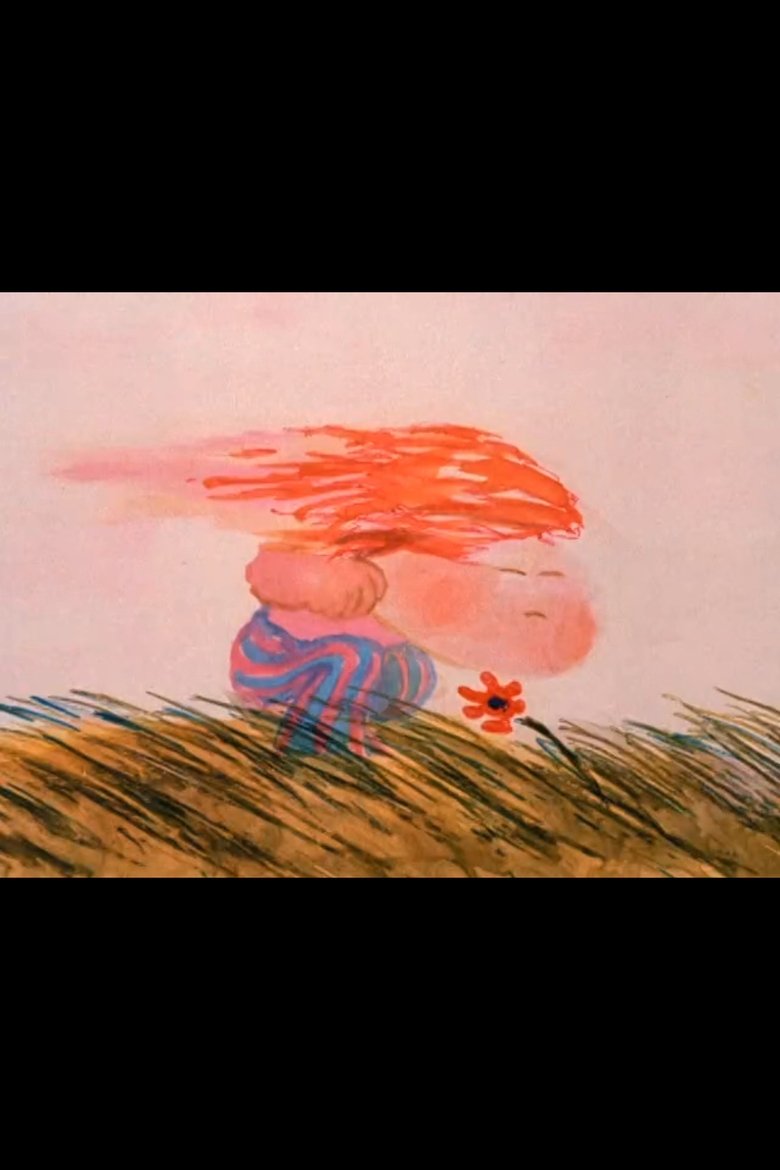
A child's first discovery of wind--the silent, invisible something that tickles his fancy, ruffles his hair, ripples the grass around him--portrayed here in winsome animated drawings. But the artist also shows the elemental force that carries all before it. Without words but with sound effects, this is a film of universal appeal.

How are these scores produced? →

Where to Watch

Rate this Movie

No rating selected
Use arrow keys to select a rating from 1 to 5 stars
Optional text review, maximum 2000 characters
Tip: Wrap spoilers with ||double pipes|| to hide them
0/2000 characters
You must be signed in to submit a rating

Reviews

No reviews yet. Be the first to share your thoughts on this movie!

Use the rating form above to leave a star rating and optional review.