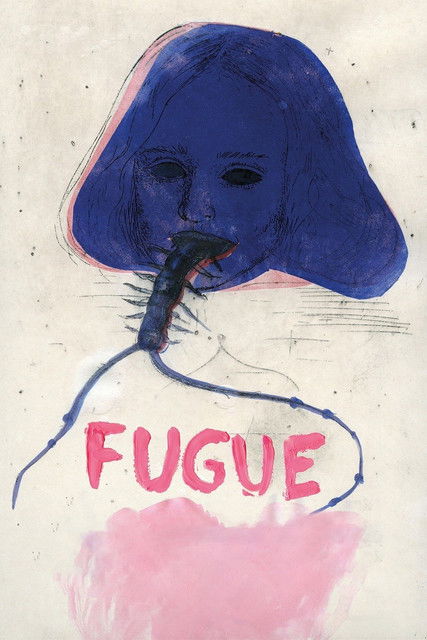
Fugue
2018
No user ratings available yet
Representation score: 8.6 out of 10
Representation Score
Good
2018
Director
Jagoda Szelc
Runtime
106 minutes
Average Rating
No ratings yetNew Showbiz Analysis
Jagoda Szelc’s film is a sensory-driven character study that emphasizes psychological depth over conventional linear storytelling. It succeeds in challenging traditional patriarchal narratives by focusing on the internal lives and interpersonal dynamics of women. While the film lacks overt demographic variety, it offers a sophisticated deconstruction of domestic stability and religious institutions. It replaces idealized family portraits with a complex exploration of memory and trauma. Ultimately, the work functions as a postmodern exploration of subjectivity. It prioritizes a deep, localized investigation into the instability of the female experience over broad representation.
Category Breakdown
The film does not include any explicit LGBTQ+ characters or non-traditional gender identities.
The story centers on the experiences of women and explores complex relationships between them. It challenges traditional patriarchal narratives by focusing on the internal lives and actions of its female characters.
The cast reflects the local Polish population in a rural setting. While it doesn't aim for multi-layered diversity, it avoids a generic homogeneous portrayal.
Religious events such as First Holy Communion serve as settings for tension rather than moral lessons. The film questions the stability of the family unit.
A chronically ill mother introduces themes of sickness and vulnerability. However, it's unclear if this portrayal provides a nuanced study or merely serves as a plot device.
Present on Screen
Limited or Absent
Official Synopsis
A protective woman has raised her young niece in the countryside as her own daughter. When her sister suddenly returns, it triggers a sense that she may be back to reclaim her offspring or to implement even more ominous plans.
2018
2010
2013
2018
2015

2014
1998

2014
No reviews yet. Be the first to share your thoughts on this movie!
Use the rating form above to leave a star rating and optional review.