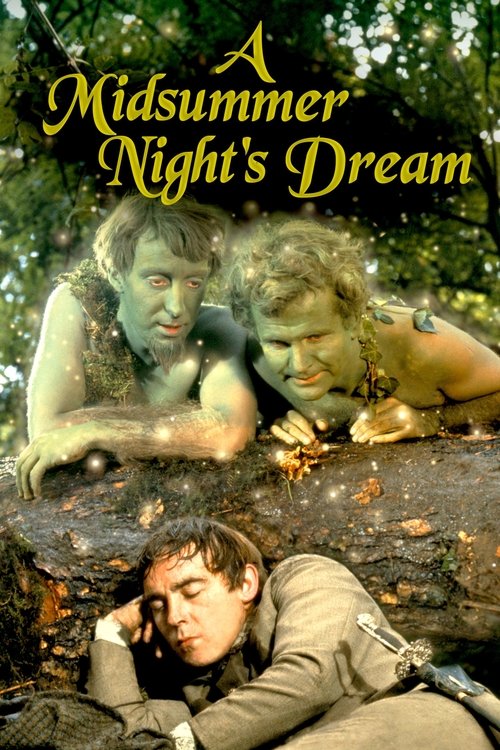
A Midsummer Night's Dream
1968
No user ratings available yet
Representation score: 1.1 out of 10
Representation Score
Good
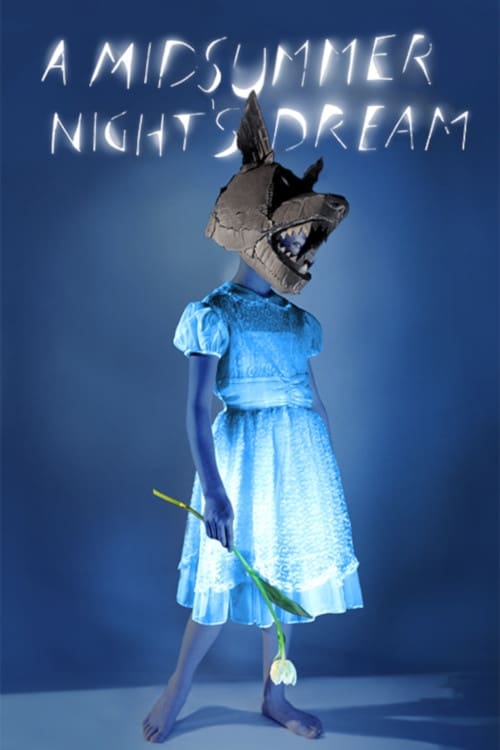
2014
Director
Julie Taymor
Runtime
146 minutes
Average Rating
No ratings yetNew Showbiz Analysis
Julie Taymor’s production stands out by using a multicultural cast to break from traditional, homogeneous interpretations of Shakespeare’s work. By employing non-traditional casting, the film broadens the scope of the mythological setting. The film also challenges traditional gender hierarchies through the chaotic power dynamics between Oberon and Titania, offering a more nuanced view of authority compared to typical interpretations. However, the production remains confined by the original text’s focus on heterosexual relationships and lacks meaningful representation of disability, relying on slapstick humor for comedic effect.
Category Breakdown
The production focuses on heterosexual relationships and does not include any explicit depictions of LGBTQ+ identities or non-conforming gender identities.
The film highlights the tension between Hermia and Athenian law, exploring women's ability to drive the story. The power struggle between Oberon and Titania disrupts traditional masculine dominance.
Taymor employs a multicultural cast and non-traditional casting to represent diverse backgrounds in both the human and fairy realms, moving away from a homogeneous, Anglo-Saxon interpretation.
The narrative centers on a secular, mythic framework using dreams and myths rather than organized religion, avoiding traditional Western moral absolutes.
There are no characters with prominent visible or invisible disabilities. The mechanicals’ physical clumsiness is used for slapstick comedy rather than a deeper exploration of disability experiences.
Present on Screen
Limited or Absent
Official Synopsis
A recording of Julie Taymor's New York stage production of William Shakespeare's comedy.
1968
1999

2016
2013
1996

2019
1909

1947
No reviews yet. Be the first to share your thoughts on this movie!
Use the rating form above to leave a star rating and optional review.