
Edge of Seventeen
1999
No user ratings available yet
Representation score: 3.8 out of 10
Representation Score
Fair
1998
Not RatedDirector
Sarah Jacobson
Runtime
95 minutes
Average Rating
No ratings yetNew Showbiz Analysis
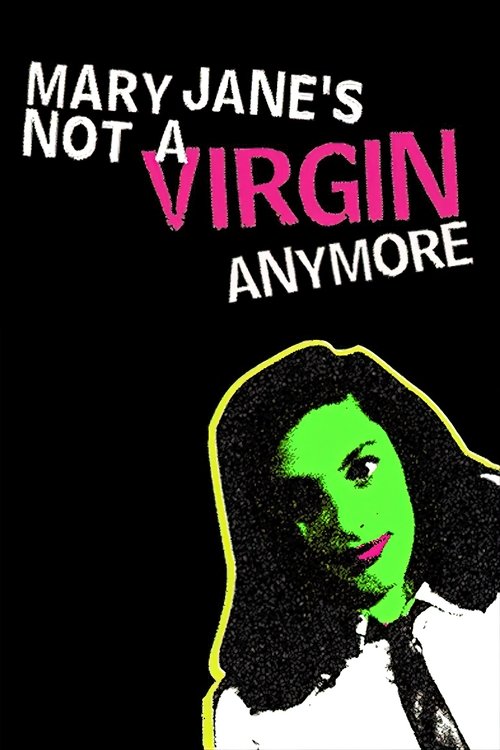
Mary Jane's Not a Virgin Anymore succeeds as a character-driven study of female autonomy. By prioritizing the protagonist's internal emotional landscape and sexual reclamation, the film avoids treating women as passive subjects of male desire. However, the film's scope is narrow. The casting is largely homogeneous, reflecting a suburban environment that lacks racial and ethnic diversity. This creates a social setting that feels somewhat insulated from broader multi-layered realities. Ultimately, while the film offers a strong female-centric perspective, it remains within the conventional boundaries of coming-of-age cinema, lacking LGBTQ+ representation and diverse cultural perspectives.
Category Breakdown
The story focuses on traditional heterosexual relationships and sexual identity. It lacks explicit representation of non-binary genders or narratives that challenge straight-centered structures.
The film centers its female protagonist's internal journey and ensures she plays a significant role in driving the story. Female characters engage in meaningful conversations with each other, meeting the Bechdel standard.
The production features a predominantly white cast following a traditional suburban model. There is a notable lack of diverse racial backgrounds.
The film explores middle-class suburban life without explicitly critiquing Western institutions. It focuses on the social dynamics of adolescence.
There are no prominent depictions of physical or neurodivergent disabilities. Disability is not used as a central plot device or character trait.
Present on Screen
Limited or Absent
Official Synopsis
A high schooler from suburbia gets in touch with her sexuality while working at a dingy movie theater in the city.
1999

1995

1996
1980
1994
1998
1998
1988
No reviews yet. Be the first to share your thoughts on this movie!
Use the rating form above to leave a star rating and optional review.