Paris Je T'aime
2006
No user ratings available yet
Representation score: 9.1 out of 10
Representation Score
Excellent
2019
RDirector
Dani Levy, Justin Franklin, Daniel Lwowski, Fernando Eimbcke, Dianna Agron, Dennis Gansel, Til Schweiger, Peter Chelsom, Massy Tadjedin, Claus Clausen, Josef Rusnak, Stephanie Martin
Runtime
120 minutes
Average Rating
No ratings yetNew Showbiz Analysis
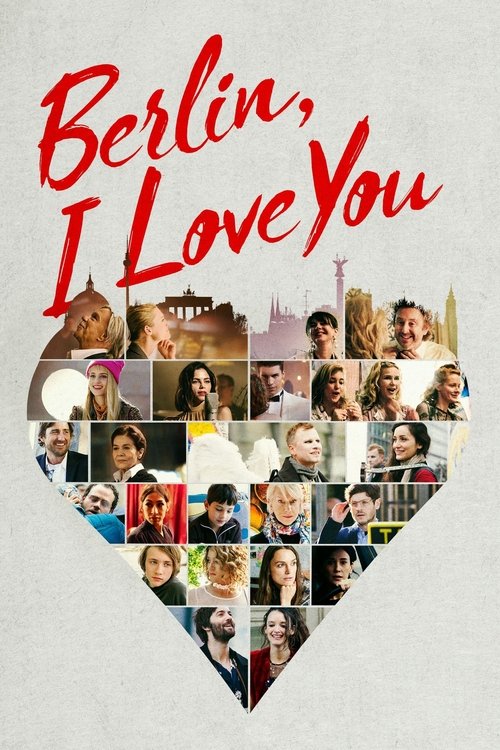
Berlin, I Love You succeeds as a mosaic of identities, using its fragmented anthology structure to reflect a pluralistic society. By employing ten different directors, the film avoids a singular, authoritative viewpoint, instead offering a multi-perspectival look at urban existence. The film excels in portraying LGBTQ+ and racial diversity, treating these identities as natural components of the metropolitan landscape. This intentionality helps establish Berlin as a diverse, interconnected hub rather than a homogeneous setting. However, the film lacks depth in disability representation and does not engage in heavy systemic or religious critique. While it captures a broad human experience, certain themes remain secondary to the central romantic narratives.
Category Breakdown
The anthology format integrates LGBTQ+ identities as natural parts of the city's social fabric. Same-sex attraction and diverse gender expressions are shown as regular aspects of urban life rather than spectacles.
The film offers a range of gendered experiences that often move away from strict patriarchal structures. While some segments use traditional romantic clichés, the diverse directorial voices prevent a monolithic portrayal of masculinity and femininity.
Casting reflects a multicultural aesthetic that mirrors a globalized European capital. The varied racial backgrounds across the ten segments reinforce Berlin's identity as a site of multi-layered convergence.
The narrative prioritizes a postmodern, secular sensibility and personal connections over religious mandates. It deconstructs traditional social hierarchies and the stability of the nuclear family in favor of fluid, modern connections.
Disability is not a central theme in the film's exploration. Representation in this category remains secondary to the primary focus on romantic and interpersonal dynamics.
Present on Screen
Limited or Absent
Official Synopsis
An anthology feature of 10 stories of romance set in the German capital.
2006

2005
2013

2012

2021

1991
2016

2008
No reviews yet. Be the first to share your thoughts on this movie!
Use the rating form above to leave a star rating and optional review.