Text
2019
No user ratings available yet
Representation score: 4.0 out of 10
Representation Score
Fair
2019
Director
Yury Bykov
Runtime
106 minutes
Average Rating
No ratings yetNew Showbiz Analysis
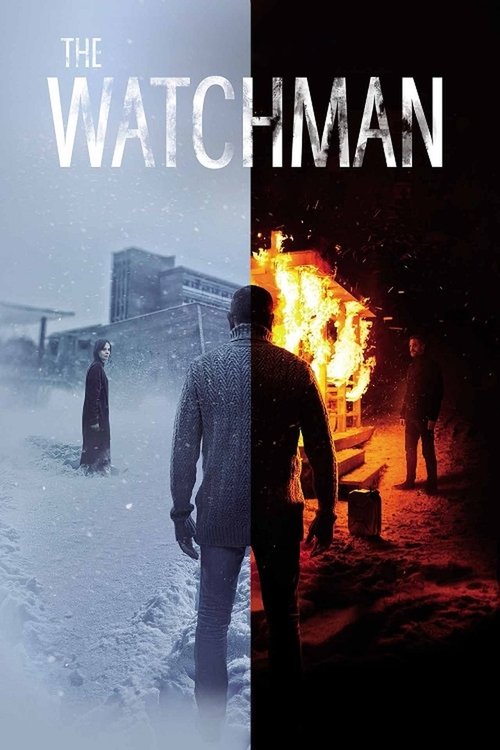
The Watchman is a drama that prioritizes thematic subversion over social representation. Set within a localized, ethnically singular Russian context, the film scores low for race, disability, and LGBTQ+ visibility. However, it excels in its cultural critique, deconstructing institutional authority and portraying systemic corruption. Its strength lies in its moral complexity rather than its demographic breadth, offering a nuanced look at navigating a decaying social contract.
Category Breakdown
The film does not include any LGBTQ+ characters or identities that go beyond the assumption that everyone is straight. The story focuses solely on the main trio and their immediate dangers, providing no queer representation.
The story emphasizes traditional masculine archetypes, focusing on a lone man fighting against an indifferent world. Female characters avoid submissive stereotypes by engaging in high-stakes survival scenarios but remain tied to male-centric storylines.
The cast is predominantly homogeneous, reflecting a specific Russian setting. There is no indication of diverse ethnic identities or characters who reflect more than one aspect of diversity within this localized context.
The film stands out in its cultural critique, showing law and order as corrupt and embracing a moral relativism where justice is subjective. It effectively portrays the breakdown of social contracts and institutional stability.
There is no meaningful depiction of physical or neurodivergent disabilities. Characters are defined by their socioeconomic status and their relationship to a corrupt environment rather than by disability.
Present on Screen
Limited or Absent
Official Synopsis
The protagonist Vlad is a man of about forty; he lives and works as watchman in an old sanatorium that is due to be demolished. He obviously needs this work to live the life of a hermit. One night a married couple appears at the sanatorium: Vera and Stas. They are on the run. They are pursued by former friends and business partners of Stas. Vlad decides to help them, because he too is hiding from the past. Each character is threatened with the inevitable payment for wrong choices in the past, but helping each other, they try to expiate these faults.
2019
2013

2022
1999
2015
2021
2023

2005
No reviews yet. Be the first to share your thoughts on this movie!
Use the rating form above to leave a star rating and optional review.