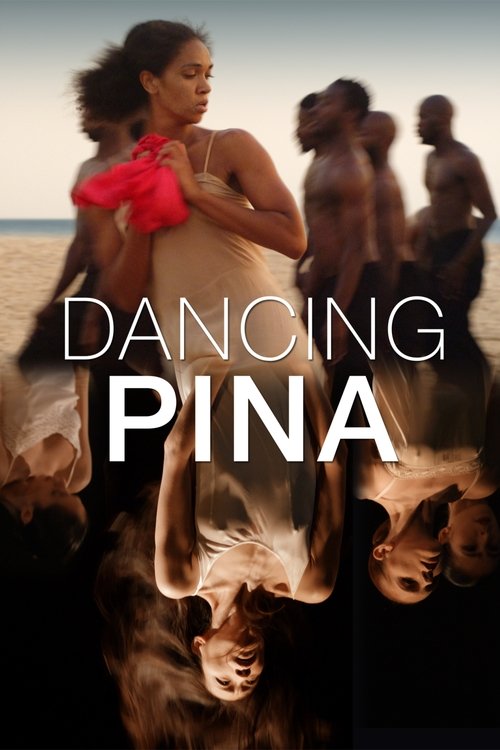
Dancing Pina
2023
No user ratings available yet
Representation score: 6.6 out of 10
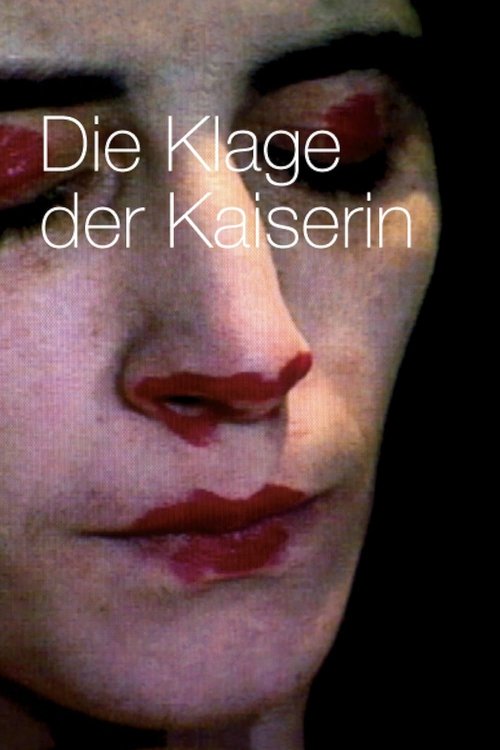
Representation Score
Good
1990
Director
Pina Bausch
Runtime
103 minutes
Average Rating
No ratings yetNew Showbiz Analysis
Pina Bausch’s work successfully challenges traditional Western storytelling by using a fragmented, existentialist approach instead of linear narratives. This shifts the focus away from capitalist productivity and patriarchal structures. However, the film lacks diverse representation, reflecting the limited racial and ethnic diversity typical of European productions from the late 1980s. Overall, the film’s strength lies in its innovative structure and critique of societal stability through movement and human vulnerability.
Category Breakdown
The film doesn't have clear LGBTQ+ identities or character arcs due to its non-narrative structure. However, the dance sequences explore gender fluidity and break down traditional romantic ideas.
The work challenges traditional gender roles by focusing on emotional and physical labor. The title suggests a focus on women's experiences and their ability to shape the story.
The production reflects the demographics of late 1980s Germany. Given the setting in Wuppertal, the cast likely mirrors the homogeneity typical of European productions of that time.
The film uses a Sicilian funeral march to question existential beliefs, showing a preference for personal emotional truth over religious or patriotic ideals.
Bausch uses imperfect bodies to highlight physical struggle and exhaustion, offering a detailed look at the vulnerabilities and limitations of the human body.
Present on Screen
Limited or Absent
Official Synopsis
This first film by choreographer Pina Bausch reflects her method of working as developed with the Wuppertal Theatre of Dance during the 1973/74 season. The film does not tell a story, but is made up of various scenes put together as a collage with scenes set in different locations. The futility of human activity and the search for love make up the film's central theme set against the strains of a Silician funeral march. Filmed on location in Wuppertal, Germany, between October 1987 and April 1989.
2023
2011
1957
1973
2014
2012

2001

2021
No reviews yet. Be the first to share your thoughts on this movie!
Use the rating form above to leave a star rating and optional review.