
WWE: Undertaker 20-0 - The Streak
2012
No user ratings available yet
Representation score: 3.0 out of 10
Representation Score
Minimal
2005
Not RatedDirector
Kevin Dunn
Runtime
0 minutes
Average Rating
No ratings yetNew Showbiz Analysis
This biographical documentary focuses solely on the career progression of Mark Calaway. By concentrating on the technical and performative aspects of his career, it avoids broader social or multi-layered themes. The narrative structure emphasizes the subject's professional achievements within a conventional, hyper-masculine framework. This results in a film that celebrates personal milestones without engaging deeply with progressive social themes or diverse representation.
Category Breakdown
The documentary does not include any focus on LGBTQ+ identities or narratives. It emphasizes a hyper-masculine environment without addressing issues related to sexual orientation or gender identity.
The film centers around a male protagonist and a male-dominated sporting environment. It reinforces traditional masculine stereotypes of strength and dominance without challenging typical gender roles.
The main character is a white male, and the narrative does not highlight perspectives from non-white individuals. Other wrestlers appear in brief segments, but there is no exploration of racial diversity or the way different parts of someone's identity overlap.
The film highlights professional success within Western sports and capitalist structures. Supernatural personas are presented as theatrical performances without critiquing religious or cultural norms.
Injuries and physical challenges are shown as part of athletic resilience rather than as disabilities. These struggles are framed as markers of professional longevity without exploring disability through a lens of ability to act or neurodiversity.
Present on Screen
Limited or Absent
Official Synopsis
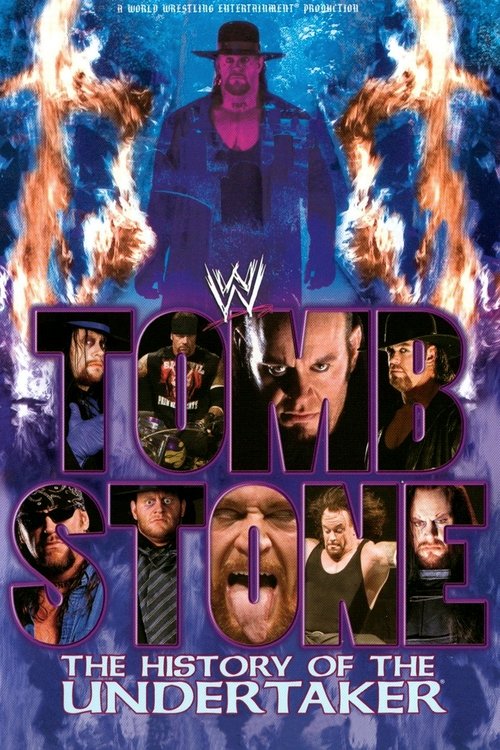
Since his eerie debut at the 1990 Survivor Series, the Undertaker has gone on to take the WWE championship four times and become one of the most popular--and feared--superstars in the history of the squared circle. This three-disc set traces the in-ring evolution of the wrestler known as the Phenom, the American Badass and the Deadman through 21 of his greatest bouts, with bonus footage, rare interviews and more. 10 hrs
2012

2018

2010

2011

2010

2009

2008

2008
No reviews yet. Be the first to share your thoughts on this movie!
Use the rating form above to leave a star rating and optional review.