Rapid Rouge
2015
No user ratings available yet
Representation score: 5.6 out of 10
Representation Score
Limited
2015
TV-14Director
Aryanto Yuniawan
Runtime
99 minutes
Average Rating
No ratings yetNew Showbiz Analysis
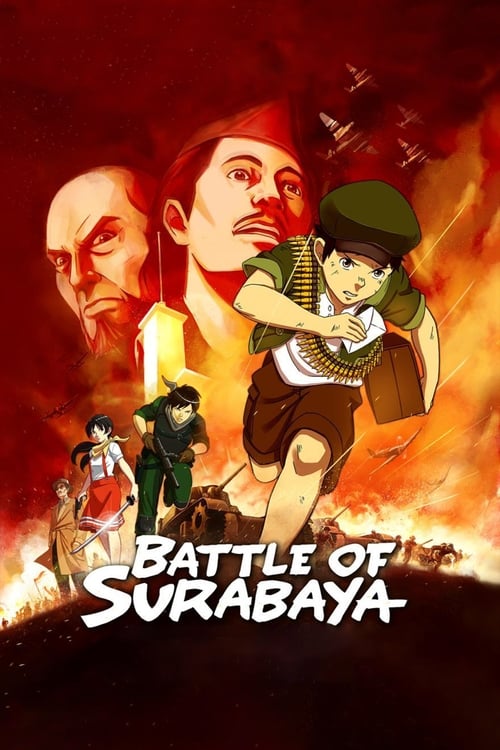
Battle of Surabaya is a significant work of regional storytelling that challenges Western historical dominance. By focusing on the Indonesian experience, the film transforms a historical conflict into a narrative of national reclamation. However, the film remains traditional in its gender dynamics and lacks LGBTQ+ visibility. While it excels in ethnic and cultural representation, it does not actively seek to subvert masculine leadership roles.
Category Breakdown
The film focuses solely on the historical events of the 1945 conflict. There are no hints of LGBTQ+ identities or queer-coded subtext.
The film follows traditional gender roles typical in war movies. Female characters emphasize the vulnerability of home life, while the male protagonist, Musa, holds the central role.
The movie stands out by featuring an Indonesian-majority cast, highlighting ethnic specificity. It elevates the importance of indigenous nationalists by shifting the focus away from global powers.
The story uses a post-colonial framework to critique Western colonial rule. It portrays the fight for independence as a necessary reclaiming of identity against foreign occupation.
There are no prominent characters with visible or invisible disabilities used as central traits or plot devices.
Present on Screen
Limited or Absent
Official Synopsis
Musa, who is only a thirteen-year-old shoe shiner, undergoes destiny through his adventure of waging war during the war time. Will he manage to bring peace among the troops who keep on fighting for nothing?
2015

2005
2009
2012
2015
2016
2025
2017
No reviews yet. Be the first to share your thoughts on this movie!
Use the rating form above to leave a star rating and optional review.