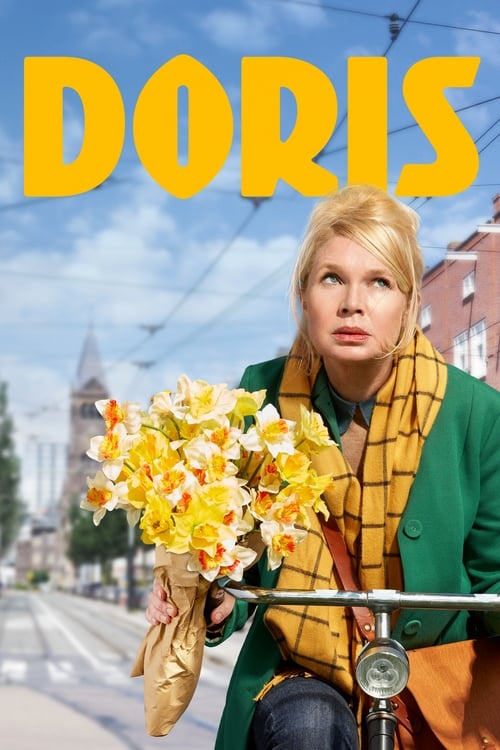
Doris
2018
No user ratings available yet
Representation score: 1.4 out of 10

Representation Score
Limited
2013
Director
Lourens Blok
Runtime
80 minutes
Average Rating
No ratings yetNew Showbiz Analysis
Feuten: Het Feestje operates within conventional social and narrative frameworks typical of commercial comedy. The film relies on established character archetypes and traditional social settings, offering little complexity in reflecting multiple aspects of identity. The narrative prioritizes interpersonal dynamics and situational chaos over the exploration of identity politics. It centers on the friction between student social structures and external authority, reinforcing existing social hierarchies rather than deconstructing them. Ultimately, the film functions as a localized genre piece that mirrors the demographic and social norms of its specific setting.
Category Breakdown
The film does not include LGBTQ+ characters or narratives that challenge the assumption that everyone is straight or cisgender. Romantic tension is focused on Elias's attraction to Lieve, following a traditional storyline.
The film relies on established gender roles, such as the 'ideal sorority girl.' There is no evidence of challenging traditional hierarchies or exploring diverse masculinities.
The setting of a Dutch student corps suggests a socio-culturally homogeneous environment. The narrative reflects traditional, localized demographic norms without visible diversity.
The story focuses on youthful rebellion and personal nostalgia rather than institutional critique. It reinforces traditional social structures through its focus on student life and neighborhood nuisances.
There is no mention of characters with visible or invisible disabilities within the narrative.
Present on Screen
Limited or Absent
Official Synopsis
The new academic year for student corps H.S.C. Mercurius with a huge enrollment party. Perpetual student Olivier de Ruyter gets into a minor conflict with the police, who are fed up with the nuisance Mercurius is causing in the neighborhood. Meanwhile, lawyer Bram Wagtmans is nostalgic for student life and decides to go all out with his friends at the club that evening, for the last time. First-year students and best friends Elias and Lieve also attend the party. Lieve is the ideal sorority girl, while Elias is only at the party because he is in love with Lieve. These are the ingredients for an evening that will get completely out of hand.
2018

2016

2012

2022

2005

2012

2023

2017
No reviews yet. Be the first to share your thoughts on this movie!
Use the rating form above to leave a star rating and optional review.