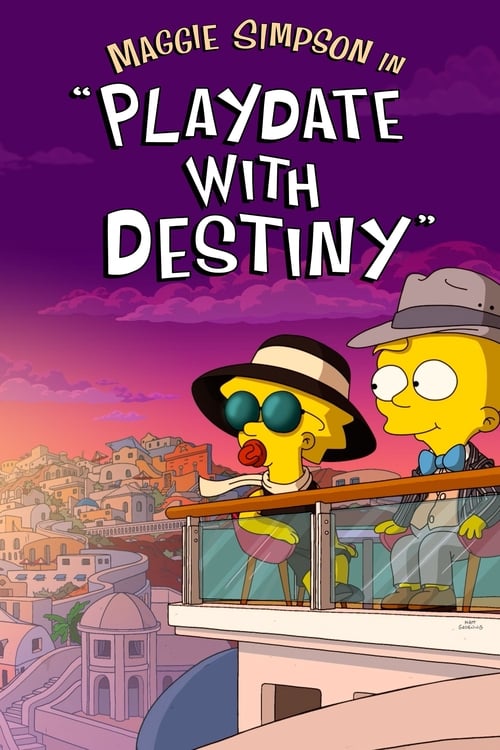
Maggie Simpson in "Playdate with Destiny"
2020
No user ratings available yet
Representation score: 1.9 out of 10
Representation Score
Fair
2012
PGDirector
David Silverman
Runtime
5 minutes
Average Rating
No ratings yetNew Showbiz Analysis
The short film excels as a character study, primarily through its emphasis on Maggie Simpson's ability to act. By focusing on her decisive actions, the narrative highlights female competence in a small social context. However, the film's reach is limited by its narrow demographic focus. The cast remains homogeneous, avoiding broader racial or queer-themed storytelling. While it offers a subtle critique of rigid social hierarchies, it does not engage deeply with multi-layered identity issues.
Category Breakdown
The film does not include any LGBTQ+ characters or explore non-cisgender identities. The story focuses solely on infant development experiences.
Maggie Simpson is a capable female protagonist who plays a significant role in driving the story. Her mission to protect a caterpillar challenges the typical passive portrayal of young girls.
The cast is predominantly homogeneous, sticking to the established racial identity of the Simpsons universe. There is no indication of intentional racial blending.
The setting critiques institutional categorization through the Ayn Rand School for Tots. It examines how children are stratified based on their intelligence levels.
The film touches on neurodivergence by discussing cognitive stratification. It reflects real-world debates about neurotypicality and developmental milestones.
Present on Screen
Limited or Absent
Official Synopsis
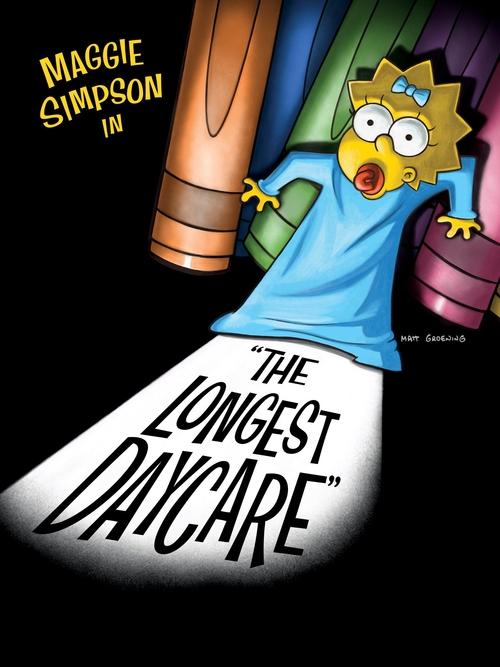
Maggie must navigate an eventful first day in daycare. At the Ayn Rand School for Tots, Maggie is diagnosed with average intelligence. Barred from the gifted children, she longs to escape from her glue-guzzling classmates. But when a lonely caterpillar befriends her, she makes it her mission to save it from a ruthless butterfly smashing toddler.
2020
1972
2021
1969

2022

2007

1997
2002
No reviews yet. Be the first to share your thoughts on this movie!
Use the rating form above to leave a star rating and optional review.