Find another title
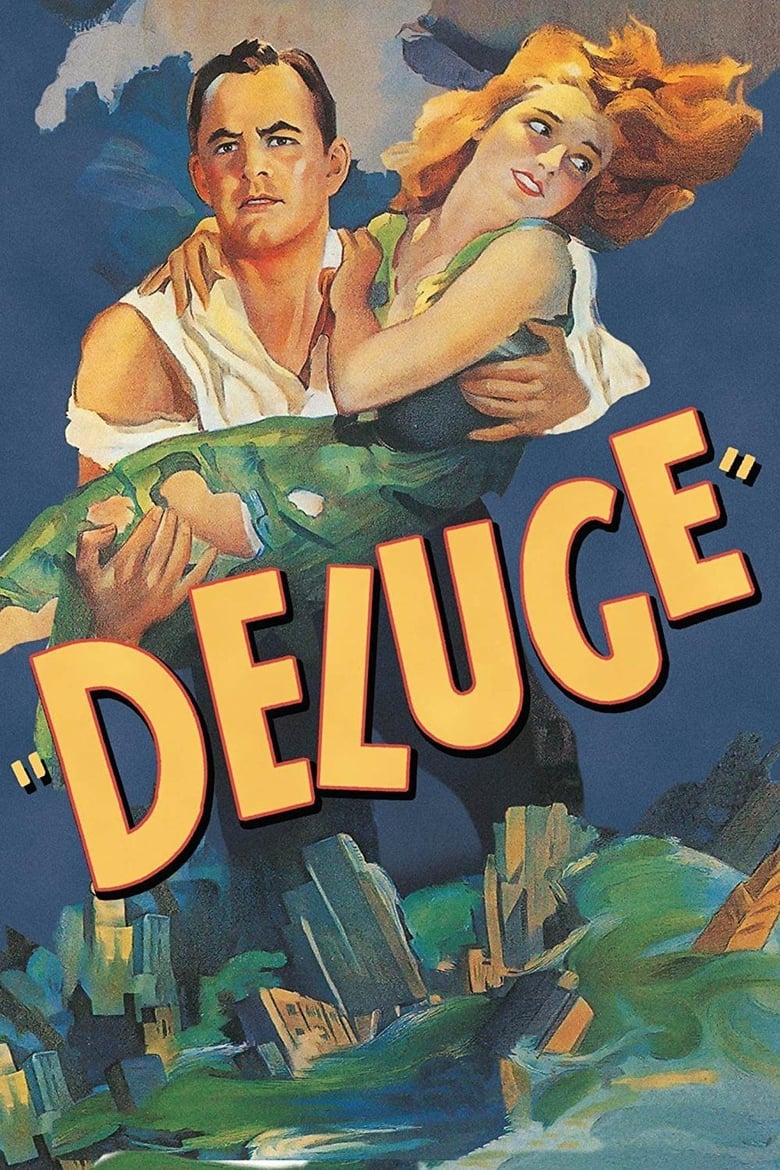
Deluge
1933
Director
Felix E. Feist
Runtime
70 minutes
Average Rating
No ratings yetSynopsis
A massive earthquake strikes the United States, which destroys the West Coast and unleashes a massive flood that threatens to destroy the East Coast as well.
Where to Watch
Diversity & Representation
Overall Score
Limited
Category Breakdown
LGBTQ+ Representation
The film lacks any evidence of LGBTQ+ characters or non-heteronormative narratives. It adheres to the conventional social structures typical of early sound-era Hollywood.
Gender Representation
Female roles appear relegated to domestic or reactive capacities. The narrative likely relies on traditional gender hierarchies where men serve as the primary agents of survival.
Racial & Ethnic Diversity
The film reflects the systemic homogeneity of 1933. It follows the Anglo-centric casting norms of the period without evidence of diverse ensemble dynamics.
Religious & Cultural Diversity
The story focuses on disaster tropes that reinforce traditional values and social stability. It lacks any indication of secularist or anti-institutional themes.
Disability Representation
Physical impairment is likely used as a plot device to heighten tension. There is no evidence of characters portrayed with agency or neurodivergent complexity.
Strengths
- The film serves as a clear example of standard studio-era genre filmmaking from 1933.
Areas for Improvement
- The narrative lacks intersectional complexity and systemic critique.
- Character roles appear limited by traditional gender and racial hierarchies.
- Disability is used as a tension-building device rather than a nuanced portrayal.
AI Analysis
Deluge is a standard genre piece that reinforces the established social and cultural hierarchies of the early 1930s. The narrative architecture centers on conventional survival tropes rather than intersectional complexity. The film functions as a product of its era, emphasizing community cohesion and the preservation of existing social orders during a natural disaster. It lacks systemic critique or progressive ideological frameworks. Ultimately, the work adheres to the traditionalist cinematic landscape of the time, offering a predictable depiction of crisis and resilience through a narrow lens.
Rate this Movie
Reviews
No reviews yet. Be the first to share your thoughts on this movie!
Use the rating form above to leave a star rating and optional review.