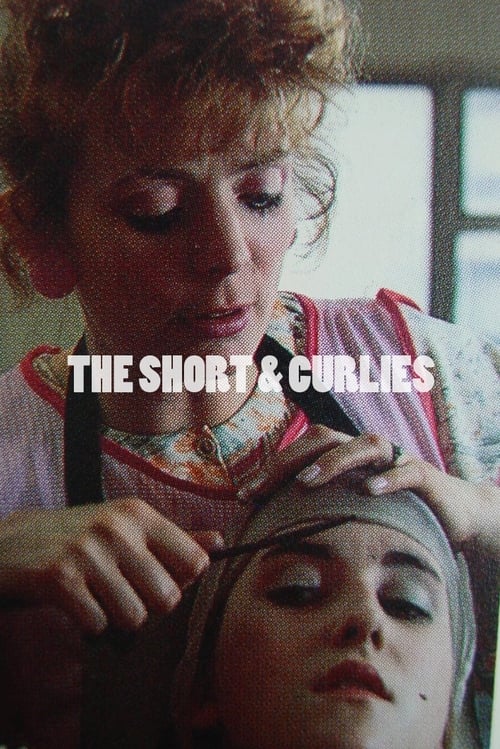
The Short & Curlies
1987
No user ratings available yet
Representation score: 3.7 out of 10
No Poster Available
Representation Score
Limited
1998
MDirector
Elijah Moshinsky
Runtime
120 minutes
Average Rating
No ratings yetNew Showbiz Analysis
Anorak of Fire operates as a traditional period piece that prioritizes historical and folkloric authenticity over social deconstruction. The film reinforces the social norms of its setting rather than challenging them through progressive lenses. The narrative structure is deeply rooted in the social hierarchies of a historical agrarian community. This results in a lack of characters who reflect more than one aspect of diversity or modern identity-based narratives. While the film uses myth to explore themes of 'otherness,' it does so through the lens of superstition. This approach prioritizes the setting's atmosphere over an ability to act-driven exploration of diverse identities.
Category Breakdown
The film adheres to traditional structures within its historical Scottish setting. There are no depictions of same-sex intimacy or non-binary gender identities.
The narrative reflects traditional rural gender roles and social stratification. Women do not appear to have a significant role in disrupting established masculine leadership or hierarchies.
The cast is homogeneous, aligning with the specific geographic and historical context of a rural Scottish village. It lacks a multi-ethnic cast or race-bent casting.
Folklore and communal superstition drive the plot rather than modern critiques. The narrative focuses on folkloric elements instead of challenging contemporary religious or political institutions.
The changeling myth explores social exclusion through the lens of superstition. It treats perceived difference as a folkloric device rather than an empowered portrayal of disability.
Present on Screen
Limited or Absent
Official Synopsis
Gus, a young trainspotter, has his life turned upside-down when he meets Natalie.
1987
2005
1982
2006
2012

2009
2008
2001
No reviews yet. Be the first to share your thoughts on this movie!
Use the rating form above to leave a star rating and optional review.