
That's My Boy
2012
No user ratings available yet
Representation score: 3.4 out of 10
Representation Score
Good
2013
RDirector
Stuart Zicherman
Runtime
88 minutes
Average Rating
No ratings yetNew Showbiz Analysis
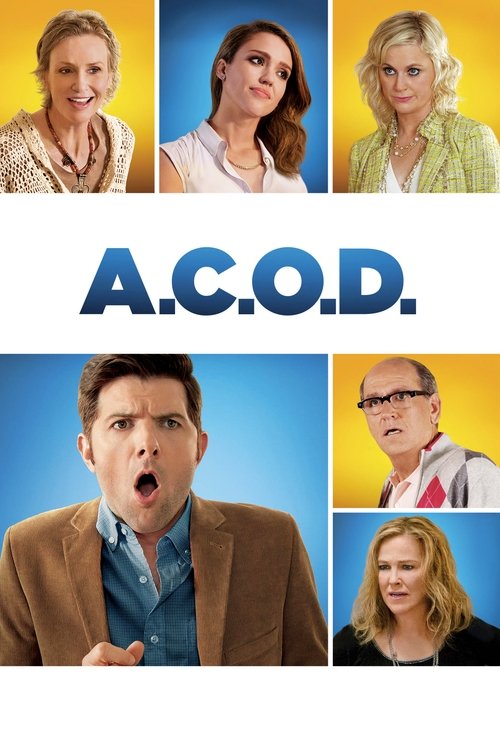
A.C.O.D. serves as a cynical deconstruction of the idealized American nuclear family. It emphasizes the disillusioned perspectives of children dealing with the breakdown of traditional household structures. The film's progressive elements come from its thematic rejection of wholesome domesticity rather than demographic diversity. It challenges the stability of parental authority and traditional roles within a suburban context. However, the film does not significantly engage with multi-layered identity issues. The casting remains largely homogeneous, focusing on a specific, non-diverse social stratum within a middle-class setting.
Category Breakdown
The film does not feature prominent LGBTQ+ characters or explore non-straight relationships. It focuses on the central family and their peer group without engaging with queer identity.
The story challenges traditional gender roles by depicting parents as neurotic and incompetent. This shifts the focus to the children, who take on more responsibility.
The casting is primarily white and centered around a middle-class suburban setting. The film does not showcase a diverse ethnic tapestry.
The film critiques the idealized Western nuclear family, presenting it as a source of dysfunction. It questions traditional respect for parental authority and social hierarchies.
While the film examines psychological coping mechanisms in response to domestic instability, it does not center characters with visible or diagnosed disabilities or neurodivergence.
Present on Screen
Limited or Absent
Official Synopsis
A grown man is still caught in the crossfire of his parents' 15 year divorce. He discovers he was unknowingly part of a study on divorced children and is enlisted in a follow-up years later, which wreaks new havoc on his family.
2012

2014
2013
2018
2014
2005
2008

2013
No reviews yet. Be the first to share your thoughts on this movie!
Use the rating form above to leave a star rating and optional review.