
Stepmom
1998
No user ratings available yet
Representation score: 3.0 out of 10
Representation Score
Fair
1983
PGDirector
James L. Brooks
Runtime
132 minutes
Average Rating
No ratings yetNew Showbiz Analysis
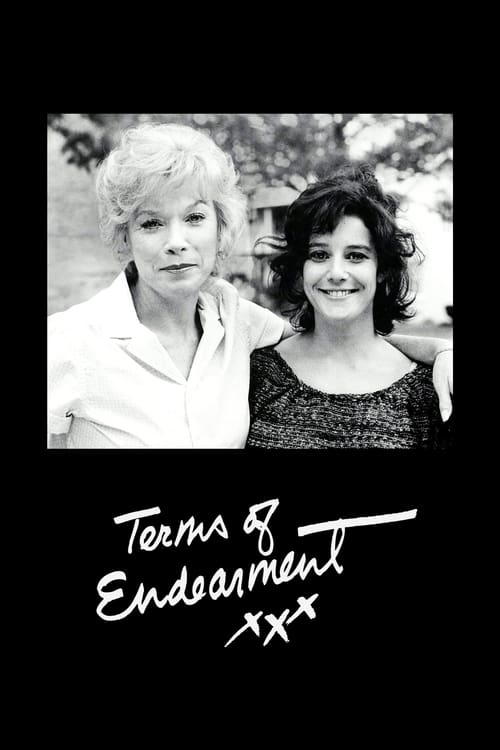
Terms of Endearment excels at subverting traditional gender hierarchies through its nuanced, non-traditional depiction of womanhood. By presenting flawed, autonomous female characters, the film avoids the trap of idealized archetypes. However, the film is limited by a lack of racial and LGBTQ+ diversity. The social environment remains largely homogeneous, focusing on a specific white, middle-class experience that misses broader perspectives that reflect multiple aspects of identity. Ultimately, the film is a sophisticated study of human volatility. It trades domestic stability for a realistic, often friction-filled exploration of family and identity.
Category Breakdown
The film focuses solely on heterosexual relationships and traditional families. There are no visible LGBTQ+ narratives or non-cisgender identities within the plot.
The narrative centers on women's ability to drive the story and their emotional complexity, challenging traditional gender roles. Characters like Emma are portrayed as flawed and volatile rather than adhering to idealized femininity.
The cast and setting are predominantly white and middle-class. This creates a homogeneous social environment that lacks intentional multi-ethnic or characters who reflect more than one aspect of diversity.
The film rejects moral binaries by exploring situational ethics and family dysfunction. It challenges the idea of the nuclear family as a purely harmonious institution.
The story explores the physical and psychological impact of terminal illness. While it handles medical decline with weight, it serves more as a catalyst for character conflict.
Present on Screen
Limited or Absent
Official Synopsis
Aurora, a finicky woman, is in search of true love while her daughter faces marital issues. Together, they help each other deal with problems and find reasons to live a joyful life.
1998

1983

1998

1988

1986

1977

2002
1994
No reviews yet. Be the first to share your thoughts on this movie!
Use the rating form above to leave a star rating and optional review.