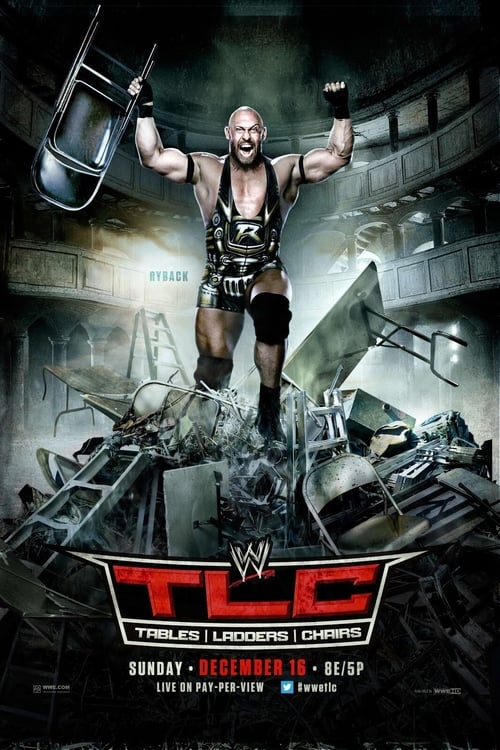
WWE TLC: Tables Ladders & Chairs 2012
2012
No user ratings available yet
Diversity score: 1.3 out of 10

2011
PGDirector
Kevin Dunn
Average Rating
No ratings yetSynopsis
They are perhaps the most influential duo in sports entertainment with crazy antics outside the ring backed up with dominant performances inside. Both Shawn Michaels and Triple H were highly successful on their own, but when they came together as D-Generation X, they were nearly unstoppable. Now fans can relive their final run as a team from late 2009 and 2010.
Overall Score
Minimal
Category Breakdown
LGBTQ+ Representation
The film centers on a hyper-masculine wrestling environment. There is no presence of LGBTQ+ characters or non-cisnormative identities.
Gender Representation
The narrative focuses almost exclusively on male performers and physical dominance. Female agency is notably absent from these male-centric locker room dynamics.
Racial & Ethnic Diversity
Performers are predominantly white, reflecting the specific demographic of the D-Generation X era. The production lacks intersectional racial representation.
Religious & Cultural Diversity
The film prioritizes brand promotion over critiques of social institutions. It does not engage with religious or political themes.
Disability Representation
The footage focuses entirely on able-bodied athletic prowess. There is no visible or invisible disability representation present.
Strengths
Areas for Improvement
AI Analysis
This production serves as a specialized retrospective celebrating a specific era of sports entertainment. It prioritizes the established tropes and archetypes of professional wrestling rather than social subversion. The narrative architecture is highly conventional, reinforcing traditional masculine hierarchies and a predominantly white demographic. It functions as a celebration of brand legacy rather than a diverse character study. Ultimately, the film maintains the status quo of the era it documents, offering little to no intersectional perspective or engagement with diverse identities.
2012

2011
2012
2013
2012
2012
2012
2013
2011
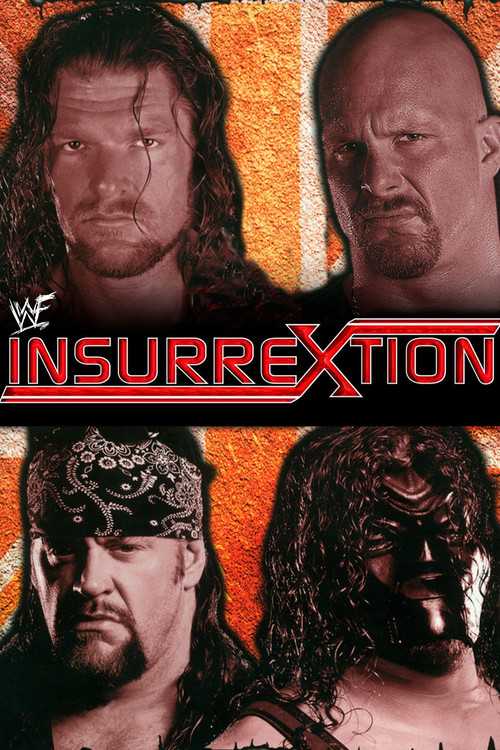
2001
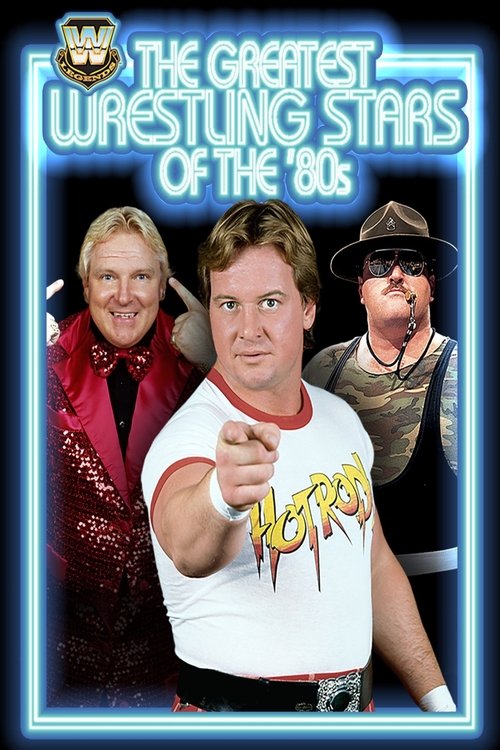
2005

2008
No reviews yet. Be the first to share your thoughts on this movie!
Use the rating form above to leave a star rating and optional review.