Find another title
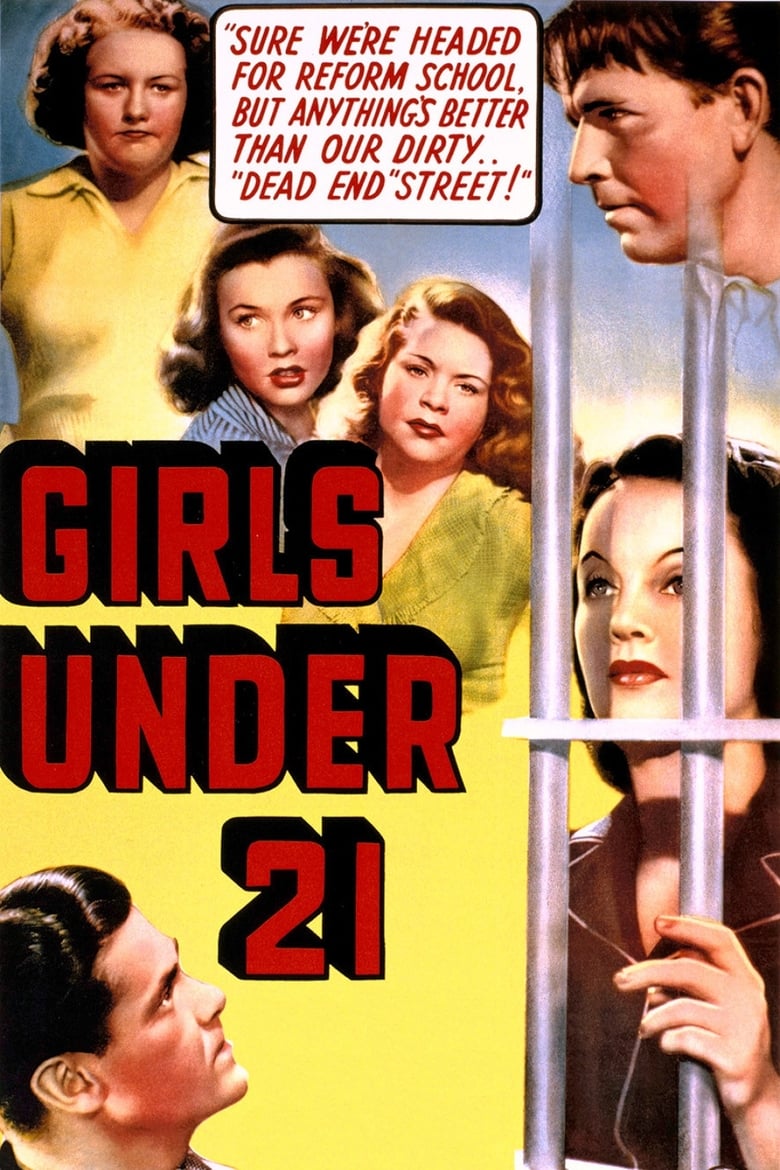
Girls Under 21
1940
ApprovedDirector
Max Nosseck
Runtime
64 minutes
Average Rating
No ratings yetSynopsis
Francis Ryan, living high-and-free-wheeling life as the wife of gangster "Smiley" Ryan, spends some time behind bars as a result of her husband's activities, and, when she gets out, realizes she has been a bad example for her kid-sister, Jennie White, and five of her friends. With the aid of her old boyfriend, she manages to divert them from their juvenile-delinquent path leading to disaster for each.
Where to Watch
Diversity & Representation
Overall Score
Limited
Category Breakdown
LGBTQ+ Representation
The film lacks LGBTQ+ characters or narratives that critique heteronormativity. It operates within the standard social frameworks of the 1940s.
Gender Representation
Francis Ryan provides a central focus on female agency as she navigates crime and reform. However, the story ultimately reinforces traditional social stability.
Racial & Ethnic Diversity
The narrative appears to reflect the homogeneous casting standards of the era. It focuses on a centralized, likely white, urban social group.
Religious & Cultural Diversity
The plot functions as a cautionary tale regarding juvenile delinquency. It seeks to correct social deviation rather than challenging Western institutions.
Disability Representation
There is no evidence of characters with visible or invisible disabilities in the film.
Strengths
- The film centers on female agency through the protagonist's journey of moral guidance.
- It explores complex social themes like juvenile delinquency and the consequences of criminal associations.
Areas for Improvement
- The narrative reinforces traditional social hierarchies rather than challenging them.
- The film lacks racial, ethnic, and LGBTQ+ diversity, reflecting the era's homogeneous standards.
- The resolution leans toward restorative traditionalism rather than progressive social change.
AI Analysis
Girls Under 21 is a period-specific social drama that prioritizes moral rehabilitation over diverse representation. While the film grants significant agency to its female protagonist, the narrative structure is designed to uphold traditional social hierarchies and communal standards. The film's focus on steering young women away from delinquency suggests a moderate departure from purely patriarchal storytelling. However, this agency is used to reinforce social propriety rather than to subvert it. Ultimately, the production reflects the era's homogeneous casting and narrow social focus, offering little engagement with intersectional identities or non-normative lifestyles.
Rate this Movie
Reviews
No reviews yet. Be the first to share your thoughts on this movie!
Use the rating form above to leave a star rating and optional review.