
Dolls
2007
No user ratings available yet
Representation score: 4.7 out of 10
Representation Score
Limited
1984
Director
Maryo J. de los Reyes
Runtime
116 minutes
Average Rating
No ratings yetNew Showbiz Analysis
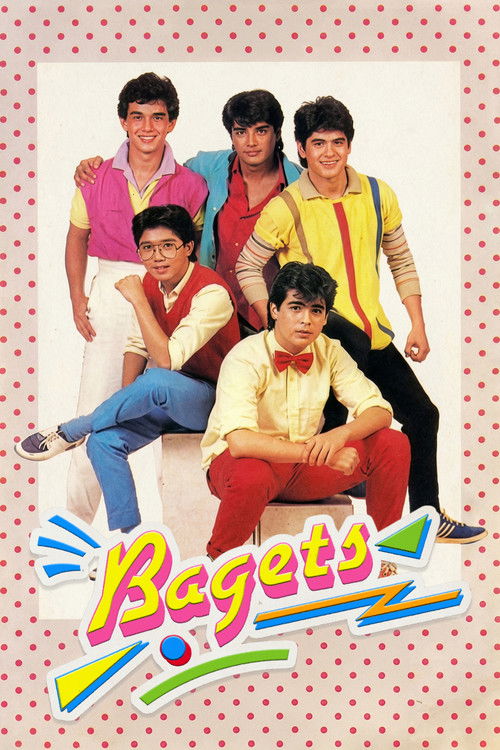
Bagets serves as a significant cultural touchstone for Philippine youth identity, offering a localized perspective that validates the domestic experience. Its primary strength lies in its ethnic authenticity, providing a narrative that moves away from Western-centric archetypes. However, the film adheres to traditional cinematic structures of its time. It maintains traditional gender hierarchies and lacks diverse representation of LGBTQ+ identities and disability. The film prioritizes the bond of male friendship and middle-class adolescent life, reflecting the social norms of its era.
Category Breakdown
The film focuses on straight relationships and male friendships, without including diverse LGBTQ+ identities or narratives that challenge traditional romantic norms.
The story centers around a male-dominated social group where men drive the main plot. Female characters primarily serve as romantic interests, and traditional gender roles are maintained.
The film offers authentic representation of the Filipino experience by featuring a predominantly local cast. It prioritizes local demographics over Western aesthetics.
The narrative explores middle-class urban youth culture and adolescent rebellion. Social friction is portrayed as a normal part of growing up, rather than a systemic issue.
The narrative focuses on the social and romantic lives of able-bodied youth, with no characters having visible or invisible disabilities.
Present on Screen
Limited or Absent
Official Synopsis
Experiencing the forbidden. Experiencing rejection. Hating your parents. Hating the world around you. Discovering what's hot. Discovering what's cool. Discovering your first true love. Discovering who you are. Growing up can be such a wild time. But not when you've got the best guys to hang out with. Five chaste young men immerse themselves in the superficialities and superfluity of adolescence over the course of their last year in high school. But as they make their gradual transition from boyhood to manhood, they realize it is their formidable bond that stands as the real deal.
2007
2011
1995

1999

2013
1986

2026
1999
No reviews yet. Be the first to share your thoughts on this movie!
Use the rating form above to leave a star rating and optional review.