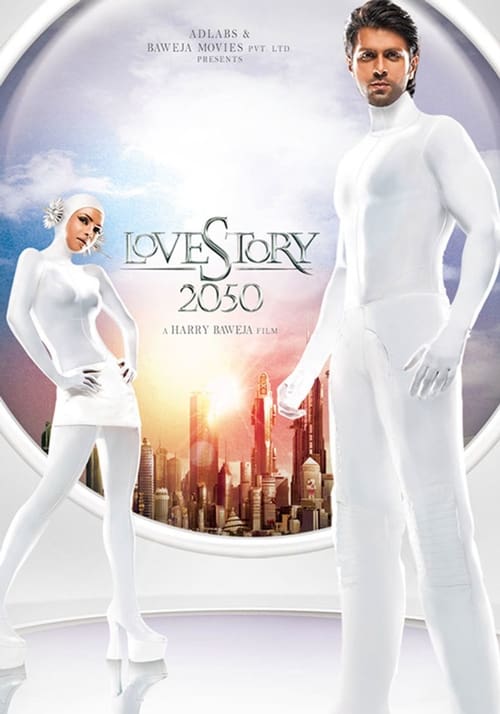
Love Story 2050
2008
No user ratings available yet
Representation score: 3.1 out of 10

Representation Score
Fair
2000
RDirector
Cybil Richards
Runtime
78 minutes
Average Rating
No ratings yetNew Showbiz Analysis
The film uses a science fiction framework to challenge traditional historical perspectives. By centering the mission on sabotaging technology and interacting with counter-culture figures, it moves away from rigid, academic storytelling. While the narrative structure promotes gender parity through its dual protagonists, it lacks clear evidence of racial diversity or specific LGBTQ+ storylines. The focus remains largely on the subversion of historical authority rather than demographic breadth.
Category Breakdown
The film includes characters like the hippy sisters, Trippy and Moonbeam, who represent non-traditional social structures. However, there is no explicit confirmation of their queer identities or romantic relationships.
Melissa and Chuck share equal footing in the mission, serving as dual protagonists. This structure disrupts traditional hierarchies by positioning the female lead as a central tactical figure.
The narrative lacks explicit mention of a diverse or non-Anglo-Saxon cast. The focus on famous historical figures may reinforce traditional Western canons rather than presenting a multicultural ensemble.
The story celebrates anti-establishment values by framing history as a playground for mingling. It challenges traditional educational structures and prioritizes counter-culture identities over institutional norms.
The film provides no information regarding the depiction of physical or neurodivergent characters.
Present on Screen
Limited or Absent
Official Synopsis
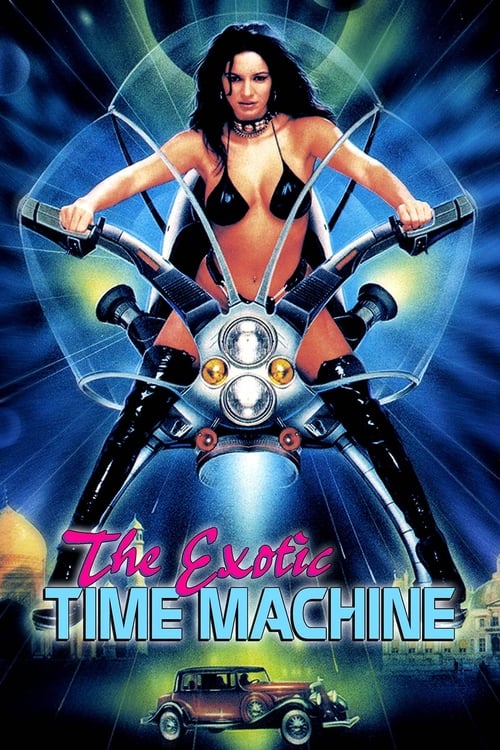
In an attempt to protect their time-traveling program, chuck and Melissa must travel the timeline to plant special beacons which will sabotage any effort to steal technology. Along the way our travelers meet and "mingle" with some of history's most famous characters. A hilarious encounter with the 1960's era hippy sisters Trippy and Moonbeam will leave you feeling groovy. History class was never this much fun!
2008

2011
1994
2000
1998
1973
1999
2001
No reviews yet. Be the first to share your thoughts on this movie!
Use the rating form above to leave a star rating and optional review.