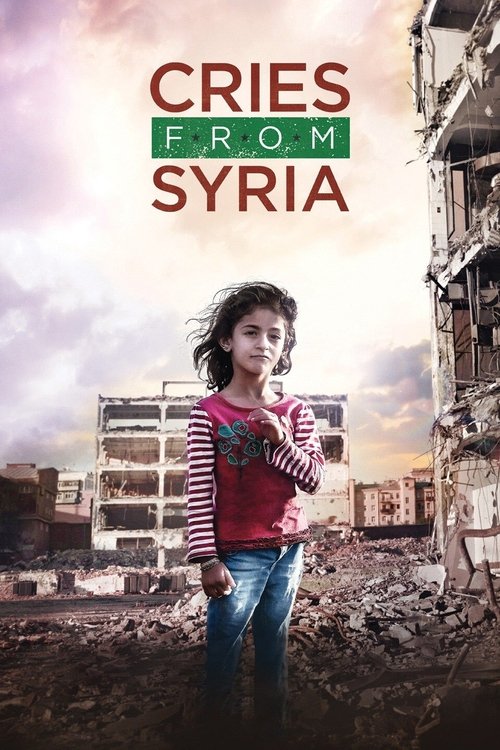
Cries from Syria
2017
No user ratings available yet
Diversity score: 6.6 out of 10

2014
Director
Evgeny Afineevsky
Runtime
54 minutes
Average Rating
No ratings yetSynopsis
A powerful examination of the effects of divorce told by kids for kids that the whole family will benefit from. Witness testimonies as kids face the trauma, work through the pain, and learn to heal.
Overall Score
Good
Category Breakdown
LGBTQ+ Representation
The film maintains a neutral baseline regarding queer identities. While the documentary format allows for non-traditional family structures, there is no explicit evidence of LGBTQ+ representation.
Gender Representation
The narrative subverts traditional patriarchal archetypes by focusing on the emotional vulnerability of children. It deconstructs the stable nuclear family model to highlight the agency of those navigating domestic shifts.
Racial & Ethnic Diversity
There is insufficient information to determine the racial or ethnic composition of the participants. Consequently, a definitive score for racial diversity cannot be assigned.
Religious & Cultural Diversity
The film prioritizes the subjective truth of the child over traditional Western social norms. It frames the breakdown of the domestic sphere as a catalyst for individual healing and systemic critique.
Disability Representation
The documentary addresses invisible psychological disabilities, specifically trauma and emotional distress. It provides a platform for those navigating mental health challenges resulting from domestic instability.
Strengths
Areas for Improvement
AI Analysis
The film functions as a deconstructive piece of media that challenges the sanctity of traditional domestic institutions. By centering the narrative on the lived experiences of children, it disrupts the conventional adult-centric hierarchy often found in sociological studies. Director Evgeny Afineevsky brings a pedigree of social justice storytelling to the project. This approach frames the dissolution of the nuclear family as a complex reality rather than a moral failing, emphasizing empathy for vulnerable perspectives. While the film excels at elevating the agency of children and addressing psychological trauma, it lacks specific data regarding racial diversity and explicit LGBTQ+ representation.
2017

2023

2004
2017

2009
1990

2016

2023

2024

2015

2011

2021
No reviews yet. Be the first to share your thoughts on this movie!
Use the rating form above to leave a star rating and optional review.