The Territory of Others
1970
No user ratings available yet
Representation score: 0.8 out of 10
Representation Score
Fair
1971
Director
David H. Vowell
Runtime
52 minutes
Average Rating
No ratings yetNew Showbiz Analysis
Say Goodbye is a documentary that prioritizes environmental advocacy over human social representation. Its strength lies in its critique of industrial power and its challenge to the idea of human dominion over nature. By highlighting the devastation caused by DDT and seal clubbing, the film disrupts traditional views of human progress. However, the film lacks representation of diverse human identities, focusing almost exclusively on the ecological crisis rather than multi-layered human experiences. Ultimately, while it succeeds in disrupting traditional views of human progress, its narrow scope results in low scores for human-centric diversity categories.
Category Breakdown
The documentary focuses on ecological themes rather than human social dynamics. There are no LGBTQ+ characters or narratives addressing the assumption that everyone is straight or cisgender.
The narrative prioritizes the biological and systemic struggles of animal species. It does not provide evidence of challenging or reinforcing human gender hierarchies.
The film centers on specific geographic locations like Texas and the Pribilof Islands. It does not indicate a focus on human racial diversity or perspectives that reflect multiple aspects of identity.
The film challenges the idea of human dominion over nature by framing human influence as a destructive force. It critiques industrial progress and its systemic impact on the biosphere.
The film does not focus on human neurodivergence or physical disability. It instead portrays the biological vulnerabilities imposed upon wildlife by environmental toxins.
Present on Screen
Limited or Absent
Official Synopsis
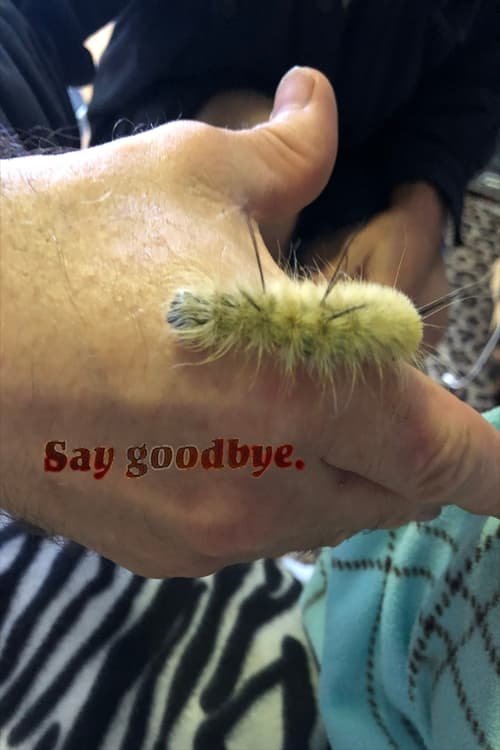
Say Goodbye is a 1971 American documentary film about the relationship between humans and nature, directed by David H. Vowell. The film depicts the plight of various animal species at the hands of man and his influence. Some segments include the clubbing of seals on the Pribilof Islands, the effect of DDT on brown pelican populations in Texas, and the plight of severely endangered animals. It was nominated for the Academy Award for Best Documentary Feature.
1970
2021
1976
2007
1983

2019

1972

2009
No reviews yet. Be the first to share your thoughts on this movie!
Use the rating form above to leave a star rating and optional review.