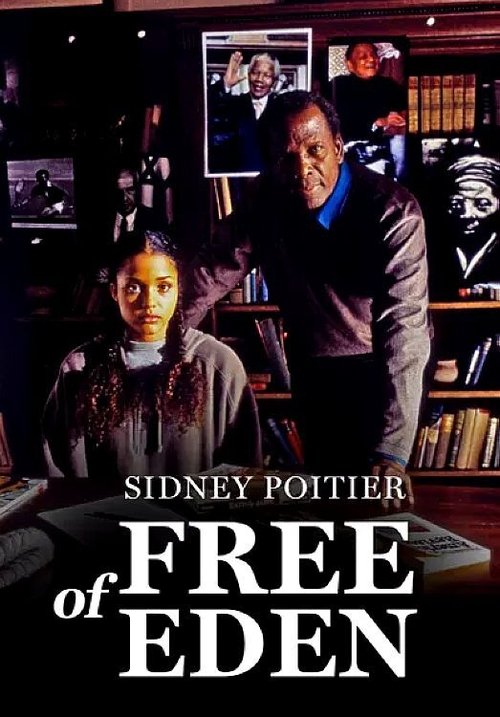
Free of Eden
1999
No user ratings available yet
Representation score: 4.3 out of 10
Representation Score
Fair
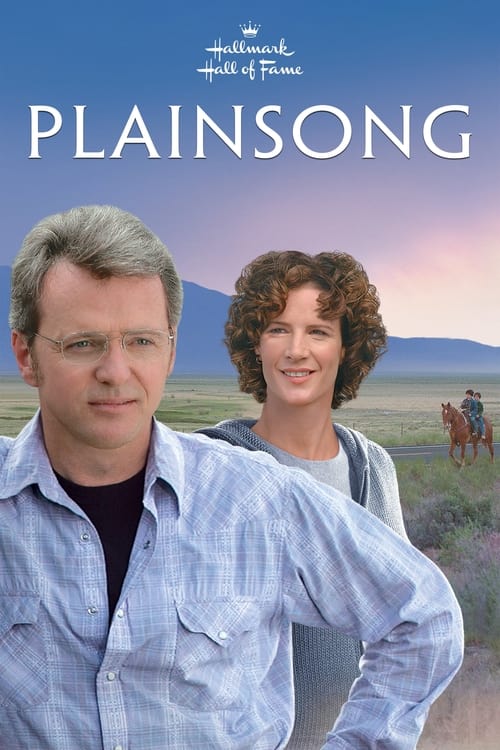
2004
PGDirector
Richard Pearce
Runtime
97 minutes
Average Rating
No ratings yetNew Showbiz Analysis
Plainsong is a character study that finds its strength in subverting the patriarchal stability typical of period dramas. By focusing on individual ability to act within a rigid colonial hierarchy, the film offers a nuanced look at power dynamics. While the film excels at portraying female leadership and questioning socioeconomic structures, it is limited by its historical setting. The lack of racial diversity and LGBTQ+ representation reflects the era's demographic homogeneity rather than active inclusion. Ultimately, the film is a study of autonomy. It trades broad identity representation for a deep dive into how individuals navigate class-based oppression and gendered expectations in a harsh landscape.
Category Breakdown
The film does not include explicit LGBTQ+ characters or non-straight relationships. While the central bond between characters operates within a traditional relationship framework, it challenges societal norms.
Rosie subverts traditional gender roles by exercising economic authority and managing land. Her role disrupts 19th-century expectations of female domesticity through her leadership and intellect.
The cast is predominantly white, reflecting the historical constraints of the 1860s Australian frontier. The film does not use diverse casting to challenge this period homogeneity.
The narrative critiques institutional authority and class-based oppression. It explores how human connection and situational ethics can supersede rigid, state-imposed morality and legalistic constraints.
There are no prominent depictions of visible or invisible disabilities. Characters with disabilities are not utilized as central plot devices within the story.
Present on Screen
Limited or Absent
Official Synopsis
Tom Guthrie, a high school history teacher, is faced with raising two young sons after his wife leaves him. Maggie Jones, a fellow teacher, tries to provide comfort and support.
1999

2008
2000

2002

2001

2009
2006

2006
No reviews yet. Be the first to share your thoughts on this movie!
Use the rating form above to leave a star rating and optional review.