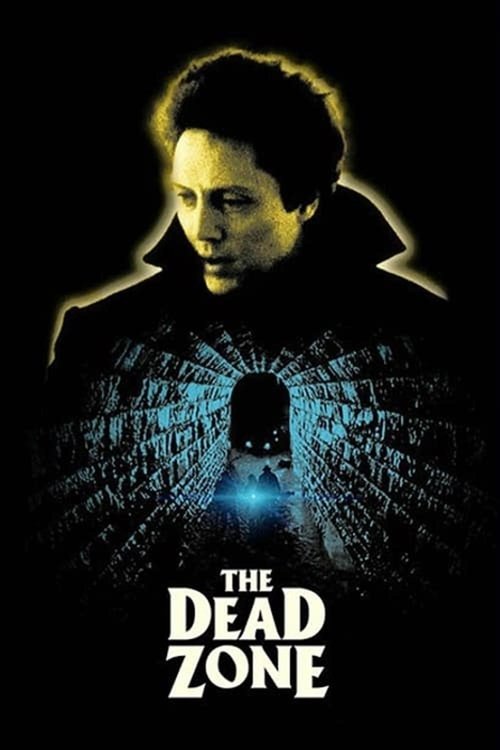
The Dead Zone
1983
No user ratings available yet
Representation score: 4.2 out of 10
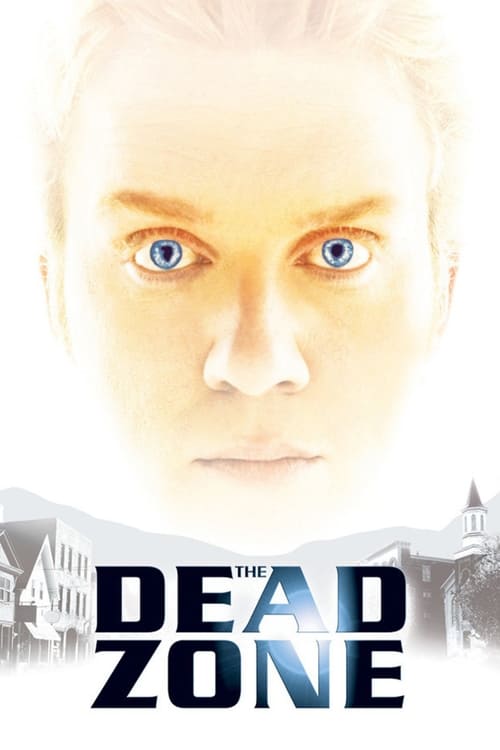
Representation Score
Limited
2002
RDirector
Rob Lieberman
Runtime
83 minutes
Average Rating
No ratings yetNew Showbiz Analysis
This film is a character-focused psychological drama that emphasizes individual experiences over broader societal issues. It relies on traditional storylines about burdened heroes and the consequences of their actions. While it provides a detailed look at the psychological and physical effects of medical trauma, it maintains traditional social hierarchies and demographic norms.
Category Breakdown
The movie doesn't include any LGBTQ+ characters or non-straight relationships. The romantic plot revolves around the main character and the female lead, following typical heterosexual norms.
The film adheres to traditional gender hierarchies, driven primarily by the male protagonist's ability to drive the story. The female lead functions as a supportive partner, lacking the ability to act to subvert established dynamics.
The film features a predominantly white cast, with no attempts to diversify the cast or challenge Anglo-centric stories.
The story centers on personal morality and fate, avoiding criticism of Western institutions. It lacks any anti-establishment themes, focusing instead on personal responsibility.
The protagonist's journey examines the psychological and physical impact of medical trauma. However, the portrayal of his psychic abilities might oversimplify disability as a supernatural condition.
Present on Screen
Limited or Absent
Official Synopsis
A young man awakens from a six-year coma with the ability to see into peoples futures. This is the first two episodes of the television series.
1983

2005
2001
2007
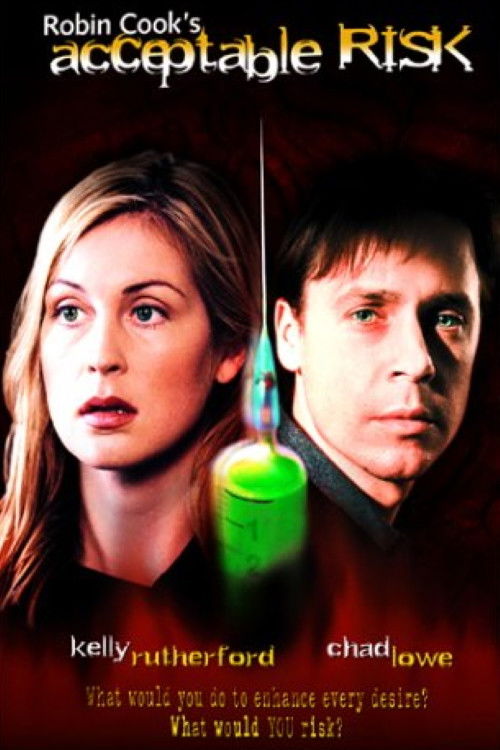
2001
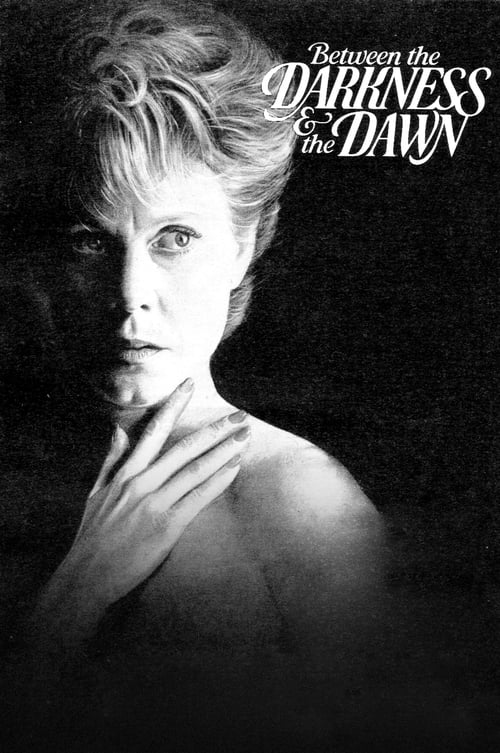
1985
No reviews yet. Be the first to share your thoughts on this movie!
Use the rating form above to leave a star rating and optional review.