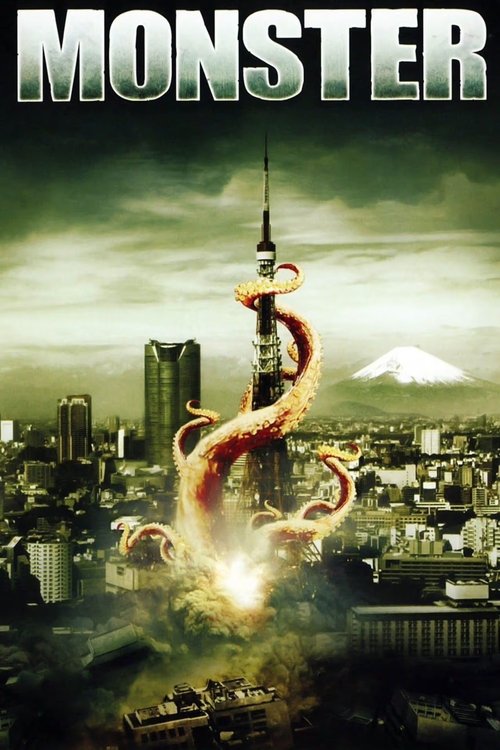
Monster
2008
No user ratings available yet
Representation score: 3.5 out of 10

Representation Score
Excellent
2010
Not RatedDirector
Yoshihiro Nishimura
Runtime
117 minutes
Average Rating
No ratings yetNew Showbiz Analysis
Helldriver succeeds in disrupting genre clichés by centering women's ability to drive the story and utilizing a Japanese setting to avoid Western-centric survivalist narratives. The film's focus on a matriarchal power structure through the Zombie Queen provides a unique subversion of traditional gender hierarchies. However, the film's approach to diversity is often tied to the visceral spectacle of body horror. While mutations explore themes of bodily autonomy, they function more as plot devices than nuanced representations of disability or neurodiversity. Ultimately, the film is a culturally specific exploration of social collapse. It trades traditional institutional stability for a landscape of moral relativism and biological horror.
Category Breakdown
The film does not explicitly show queer identities or character arcs that go beyond straight relationships. While the dystopian setting might challenge traditional romance, the focus is on survival and biological horror.
A female protagonist drives the plot, playing a significant role in a hostile landscape. The presence of a 'Zombie Queen' disrupts traditional patriarchal hierarchies through a monstrous matriarchal structure.
Set in a dystopian Japan, the film offers a non-Western perspective on the zombie genre. This localized setting provides a culturally specific alternative to typical Western-centric apocalypse narratives.
The narrative explores systemic collapse and the dissolution of the social contract. It prioritizes individual survival over the restoration of traditional religious or state-driven orders.
Physical disability is framed through bodily mutation and loss of autonomy. These depictions often serve as visceral spectacle rather than nuanced portrayals of ability to act or neurodivergent experiences.
Present on Screen
Limited or Absent
Official Synopsis
Still reeling from the events of a zombie apocalypse, a young woman, along with a group of allies, makes her way across a dystopian Japan in search of her mother, the Zombie Queen.
2008
2007

2008
2010
2000
2010

2011
2008
No reviews yet. Be the first to share your thoughts on this movie!
Use the rating form above to leave a star rating and optional review.