
Thank You
2011
No user ratings available yet
Representation score: 3.0 out of 10
Representation Score
Minimal
2004
Director
Indra Kumar
Runtime
166 minutes
Average Rating
No ratings yetNew Showbiz Analysis
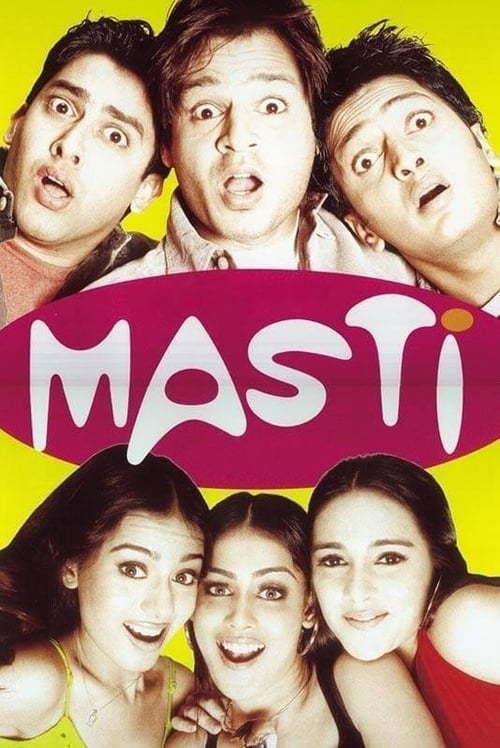
Masti is a traditional commercial comedy that prioritizes slapstick humor over social commentary. It operates within a conventional framework that reinforces established social and gender hierarchies rather than challenging them. The film relies heavily on early-2000s Bollywood clichés, focusing on heterosexual romantic farces. This results in a narrative where character roles are largely gendered, with men driving the action and women serving as comedic catalysts. Ultimately, the work offers little complexity in reflecting diverse social perspectives. It presents a culturally homogeneous environment that reflects its era and genre without seeking to expand its social or ethnic scope.
Category Breakdown
The film does not include any LGBTQ+ characters or explore non-straight relationships. All romantic storylines center around heterosexual relationships, ignoring any engagement with queer identities.
Men play the lead roles and drive the plot through deceptive actions, while women mainly serve as objects of pursuit. The narrative reinforces traditional gender hierarchies and uses the 'henpecked husband' cliché for comedic effect.
The cast and setting are predominantly Indian, reflecting the domestic market. While culturally homogeneous, the film avoids whitewashing or expanding its ethnic scope.
The story presents a conventional view of middle-class urban life within a traditional social framework. It avoids critiques of institutions, framing deceptive behaviors as mere comedic devices.
There is no visible or invisible disability representation within the primary cast. The narrative does not engage with neurodivergence or physical accessibility.
Present on Screen
Limited or Absent
Official Synopsis
Three henpecked friends try to escape their unhappy marriages by seeking out some extramarital fun, only to end up being blackmailed.
2011

2018

2025
2005

2005

2005

2010
2015
No reviews yet. Be the first to share your thoughts on this movie!
Use the rating form above to leave a star rating and optional review.