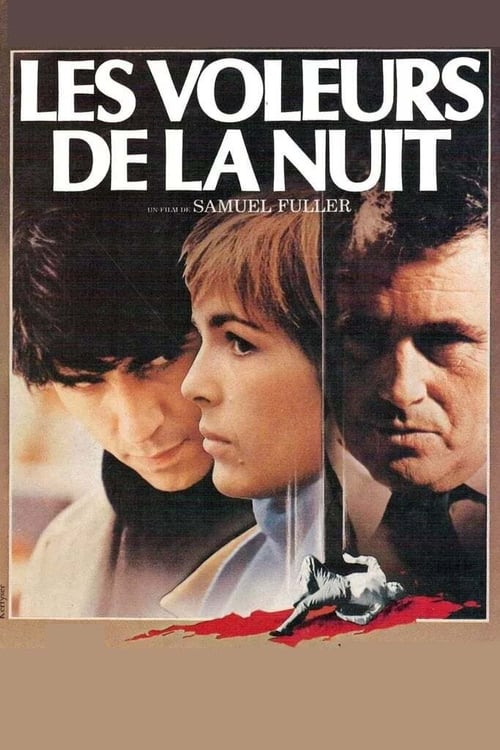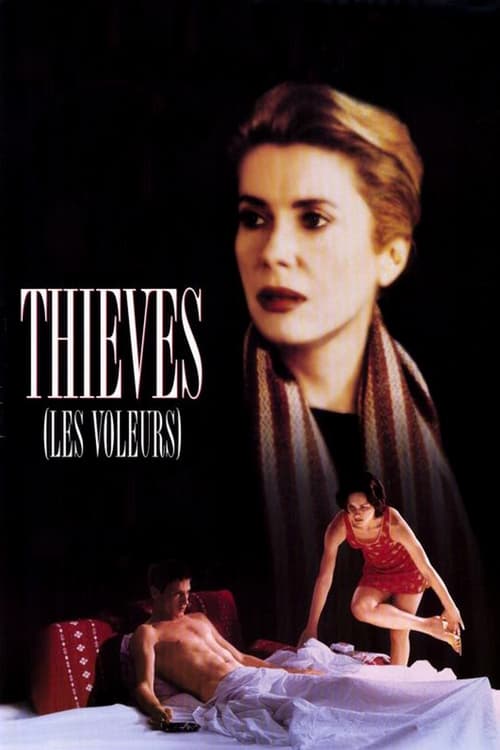
Thieves
1996
No user ratings available yet
Diversity score: 5.3 out of 10

1977
Director
Michel Vianey
Runtime
100 minutes
Average Rating
No ratings yetSynopsis
In Provence, a young woman is found naked and hanged. Inspectors Pignon and Melville lead the investigation. After an initial arrest, they quickly realize that the case is more sinister than it seems.
Overall Score
Fair
Category Breakdown
LGBTQ+ Representation
The narrative focuses on a crime investigation led by two male inspectors. There is no explicit evidence of non-cisnormative identities or critiques of heteronormativity within the story.
Gender Representation
Plot agency is concentrated within the male protagonists, Inspectors Pignon and Melville. While a female victim initiates the case, she serves as a catalyst rather than a driver of the investigation.
Racial & Ethnic Diversity
The setting in Provence suggests a localized, potentially homogeneous environment. There is no indication of a multi-ethnic cast or the use of race-based metaphors.
Religious & Cultural Diversity
The film utilizes a sinister crime framework common to 1970s European noir. This approach may subtly critique the stability of social institutions through its cynical tone.
Disability Representation
The provided context contains no information regarding characters with physical, sensory, or neurodivergent disabilities.
Strengths
Areas for Improvement
AI Analysis
Plus ça va, moins ça va operates as a traditional 1970s crime procedural. The film prioritizes genre-standard tropes and investigative tension over the subversion of social or identity-based norms. The narrative architecture is heavily centered on male agency, with the investigation driven by two inspectors. While the dark tone avoids simple morality, the film lacks intentional intersectional complexity. Ultimately, the production reflects the demographic norms and localized settings typical of regional French crime dramas of its era, offering little in the way of demographic breadth.
No reviews yet. Be the first to share your thoughts on this movie!
Use the rating form above to leave a star rating and optional review.