
One Way Ticket
1997
No user ratings available yet
Representation score: 2.8 out of 10
Representation Score
Limited
1998
RDirector
Simon Wincer
Runtime
107 minutes
Average Rating
No ratings yetNew Showbiz Analysis
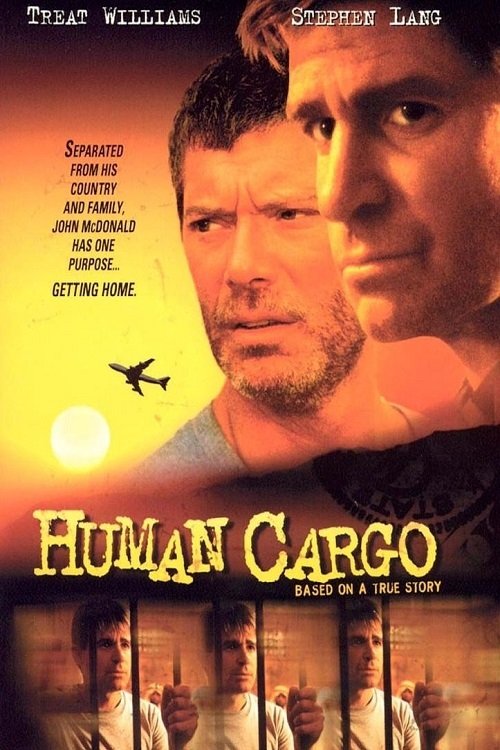
Escape: Human Cargo is a conventional action-drama that adheres to established genre clichés. The narrative centers on an American entrepreneur's survival in 1977 Saudi Arabia, prioritizing individual heroics over complex social exploration. While the setting necessitates Middle Eastern representation, the story structure suggests the local population may serve primarily as obstacles to the protagonist. This limits the ability to act of non-Western characters. The film lacks multi-layered depth, focusing on masculine leadership and traditional power structures rather than disrupting social hierarchies or exploring diverse identities.
Category Breakdown
The film does not include any LGBTQ+ characters or narratives. It follows a traditional masculine action-drama framework focused on heterosexual relationships.
The story emphasizes male leadership and traditional power structures. Female characters do not challenge or disrupt gendered power dynamics.
The Saudi Arabian setting provides a platform for Middle Eastern characters. However, the narrative risks using local populations as obstacles to the American protagonist.
The film explores geopolitical tensions through a lens of individual survival. It prioritizes a 'man against the system' storyline over a deeper critique of systemic issues.
There is no indication of characters with visible or invisible disabilities playing a central role in the plot.
Present on Screen
Limited or Absent
Official Synopsis
An American entrepreneur is closing a deal in Saudi Arabia in 1977. After a fallout with his influential Saudi partners, they have him arrested. Due to the US policy of noninterference in SA, the embassy won't help him. He must escape.
1997

1991

2019

1985

1986
2006

1991

1989
No reviews yet. Be the first to share your thoughts on this movie!
Use the rating form above to leave a star rating and optional review.