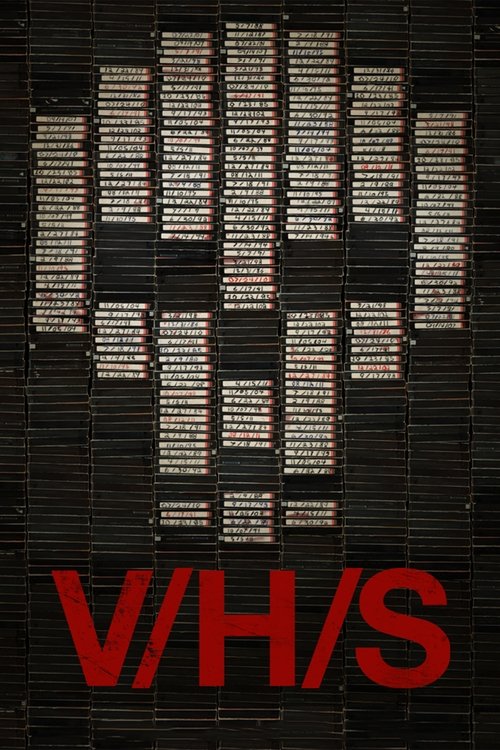
V/H/S
2012
No user ratings available yet
Representation score: 5.4 out of 10
Representation Score
Good
2013
NRDirector
Adam Wingard, Gregg Hale, Eduardo Sánchez, Simon Barrett, Timo Tjahjanto, Jason Eisener, Gareth Evans
Runtime
96 minutes
Average Rating
No ratings yetNew Showbiz Analysis
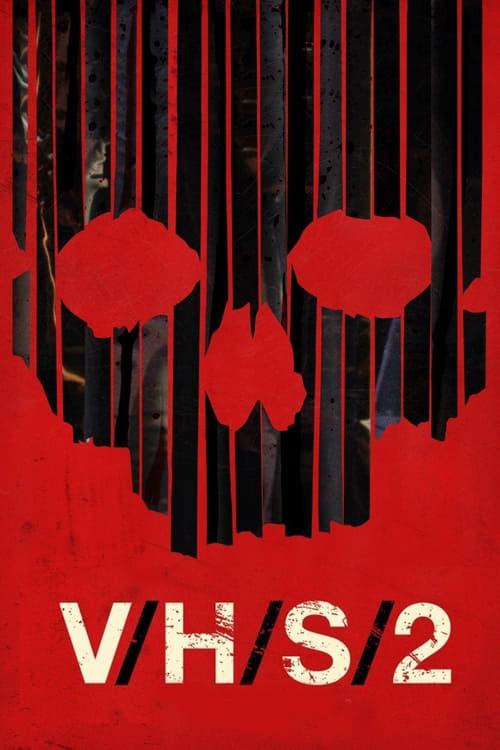
V/H/S/2 succeeds as a globalized horror anthology by leveraging an international directorial roster to challenge Western-centric genre norms. Its strength lies in its ability to deconstruct traditional hierarchies, particularly regarding religious authority and gendered power dynamics. While the film excels in cultural and racial breadth, it remains limited in its representation of LGBTQ+ identities and disability. The narrative focuses more on visceral, supernatural disruption than on nuanced character studies of underrepresented lived experiences. Ultimately, the film functions as a fragmented exploration of power. It trades traditional social stability for a chaotic, postmodern lens that favors globalized aesthetics over inclusive character-driven storytelling.
Category Breakdown
The film does not explicitly address non-straight relationships or same-sex intimacy. Character arcs mainly revolve around traditional relationships without intentionally challenging norms related to LGBTQ+ identities.
The anthology shifts the focus away from the male perspective in segments like Amateur Night, where female characters transition from being targeted to becoming powerful figures. However, other segments still rely on traditional narratives of female vulnerability.
The film includes a wide range of international directors and cultural settings. The inclusion of South Asian perspectives through Timo Tjahjanto's direction helps broaden the horror genre beyond an Anglo-centric viewpoint.
The film critiques organized spiritual authority and systemic oppression through cultic environments. It uses a postmodern aesthetic to challenge social stability and traditional institutional structures.
Themes of psychological distress and sensory overload serve as atmospheric tools rather than nuanced portrayals of disability. There is a lack of characters navigating the world through lived disability experiences.
Present on Screen
Limited or Absent
Official Synopsis
Inside a darkened house looms a column of TVs littered with VHS tapes, a pagan shrine to forgotten analog gods. The screens crackle and pop endlessly with monochrome vistas of static white noise permeating the brain and fogging concentration. But you must fight the urge to relax: this is no mere movie night. Those obsolete spools contain more than just magnetic tape. They are imprinted with the very soul of evil.
2012
2013

2014

2014
2013
2007
2021
2012
No reviews yet. Be the first to share your thoughts on this movie!
Use the rating form above to leave a star rating and optional review.