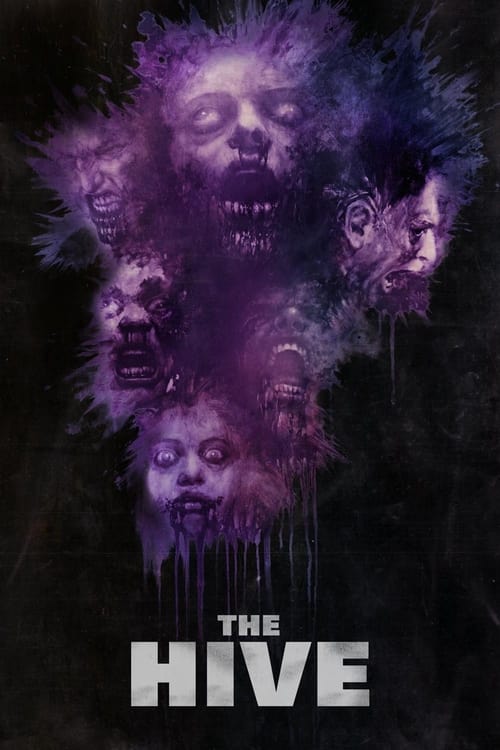
The Hive
2015
No user ratings available yet
Representation score: 6.1 out of 10

Representation Score
Limited
2026
Director
BT Meza
Runtime
90 minutes
Average Rating
No ratings yetNew Showbiz Analysis
Affection places a white woman at the center of a psychological horror, granting her narrative agency as she uncovers a domestic trap. Jessica Rothe’s Ellie actively investigates her reality rather than passively enduring it, which strengthens gender representation. The film subverts traditional family safety by casting the husband and daughter as threats, offering a sharp critique of assumed trust. However, the story remains racially monochromatic and excludes LGBTQ+ perspectives entirely. Disability is present but instrumentalized: Ellie’s memory loss and seizures drive the plot without deeper characterization. These gaps keep the overall diversity score low despite strong gender dynamics.
Category Breakdown
No LGBTQ+ characters or same-sex relationships appear in the film. The story centers on a heterosexual family unit, with all romantic and familial bonds depicted as straight. This absence leaves queer audiences without any on-screen reflection.
A woman drives the plot as she investigates her identity and escapes her captors. The male lead is a manipulative antagonist rather than a traditional hero, subverting the protective husband trope. Ellie’s agency anchors the narrative.
The lead cast is white. No characters of color are mentioned in the synopsis or cast list. This homogeneity narrows the film’s perspective and limits broader audience identification with its central horror.
The film questions family bonds and authority figures. The husband and daughter are revealed to be part of a trap, framing the domestic unit as dangerous. This critique of familial trust carries cultural weight.
The protagonist suffers from memory loss and seizures. Her condition is central to the horror but primarily functions as a plot device. There is little exploration of her lived experience beyond its utility to the mystery.
Present on Screen
Limited or Absent
Official Synopsis
Afflicted by a mysterious condition that resets her memory, Ellie becomes trapped in a cyclical nightmare with a man who claims to be her husband. She soon must uncover the horrifying truth of her existence—before she forgets it all again.
2015

2018

2026
2021

2025
2021

2021

2025
No reviews yet. Be the first to share your thoughts on this movie!
Use the rating form above to leave a star rating and optional review.