
Arcana
2013
No user ratings available yet
Representation score: 4.7 out of 10
Representation Score
Good
2013
Director
Hisashi Kimura
Runtime
120 minutes
Average Rating
No ratings yetNew Showbiz Analysis
Ataru: The First Love & The Last Kill stands out by subverting traditional character types, especially through its portrayal of neurodivergence and gender roles. By focusing on a protagonist with savant syndrome, the film presents cognitive differences as strengths and a driving force for the narrative. While the film challenges traditional gender roles through Madoka's strong intellectual presence, it does not delve deeply into LGBTQ+ themes or radical racial diversity. Overall, it provides a nuanced look at characters living on the fringes of social and cognitive norms, offering a more layered moral landscape than typical crime dramas.
Category Breakdown
The film centers on the relationship between Ataru and Madoka. It does not explicitly address queer identities or challenge assumptions about straight relationships.
Madoka is portrayed as a highly capable and dangerous intellectual equal to the protagonist. This challenges traditional stereotypes of female submissiveness by giving her significant control over her actions.
As a Japanese production, the film operates within a specific cultural context. It does not explicitly highlight the blending of different racial backgrounds or challenge broad demographic norms.
The story explores subjective morality through characters who exist on the fringes of social norms. It delves into the moral complexities of individuals who operate outside traditional structures.
Ataru’s savant syndrome drives the plot rather than being a source of mockery. The film gives a neurodivergent character significant control over the narrative, avoiding common stereotypes.
Present on Screen
Limited or Absent
Official Synopsis
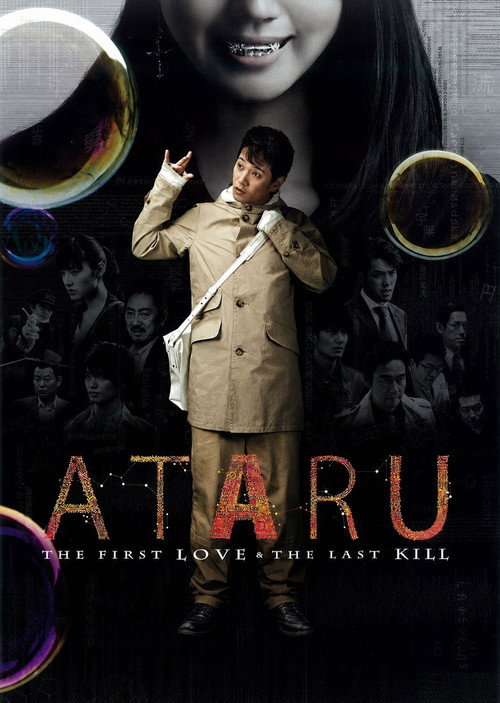
Ataru, who suffers from “savant syndrome,” has the power to discover, observe, see through, and deduct microscopic evidence of unsolved cases. Why does he always go to the criminal sites? What explains his strange behavior? Meanwhile, a mystery unfolds with Ataru and a woman named Madoka, who is a killer. The woman possesses the same extraordinary memory and deductive reasoning abilities as Ataru. Who is she?
2013

2012

2012

2008

2005

2013

2002

2020
No reviews yet. Be the first to share your thoughts on this movie!
Use the rating form above to leave a star rating and optional review.