
Lupin the Third: Episode 0: First Contact
2002
No user ratings available yet
Representation score: 6.0 out of 10

Representation Score
Fair
1998
TV-PGDirector
Toshiya Shinohara
Runtime
95 minutes
Average Rating
No ratings yetNew Showbiz Analysis
Tokyo Crisis fits within the established Lupin franchise, relying on genre clichés and anti-establishment themes. While it provides a sophisticated critique of authority and capitalism, it stays within traditional demographic norms. The film lacks significant representation of LGBTQ+ identities or diverse ethnic backgrounds, focusing on a Japanese cast in a Tokyo setting. This keeps the narrative grounded in its specific cultural context but limits broader inclusivity. Gender dynamics center around Maria, but her role is ambiguous.
Category Breakdown
The main characters in the story are not explicitly identified as LGBTQ+. There are no characters whose gender matches what they were assigned at birth.
Maria, a young reporter, plays a key role in the story. However, it’s unclear how much control she has over the events.
The film is set in Tokyo and mainly features Japanese actors. It follows the typical demographic makeup of its setting.
The movie criticizes institutions through the story of a gentleman thief. It looks at how capitalism turns history into a commodity.
There are no characters with physical, sensory, or neurodivergent disabilities. Any issues related to character efficiency seem to be used for humor.
Present on Screen
Limited or Absent
Official Synopsis
Lupin's plans to intercept two old glass photographic plates from being delivered to a mysterious art dealer named Mr. Suzuki misfires, and it doesn't help matters that Goemon and Jigen are suffering from... efficiency problems. Meanwhile, Inspector Zenigata has a new tag-along in the Lupin chase: the beautiful young reporter Maria. But what is Maria's connection to the mysterious Mr. Suzuki?
2002
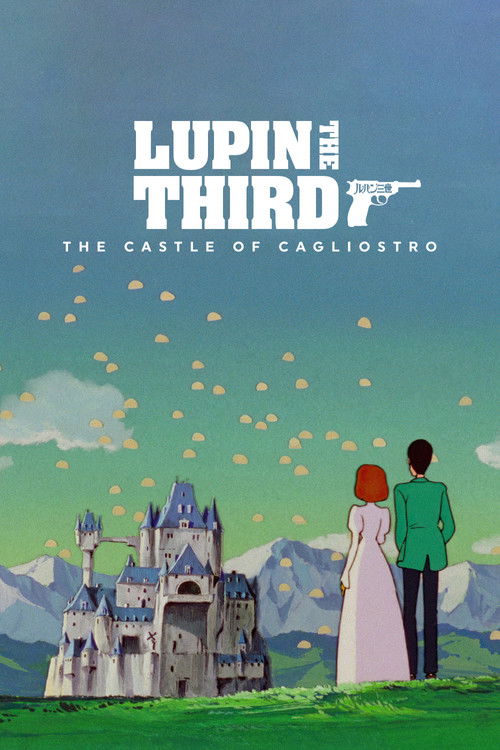
1979

1989
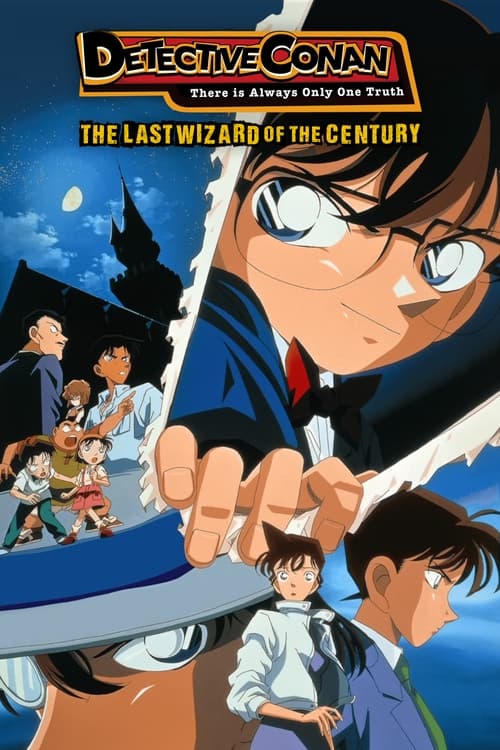
1999
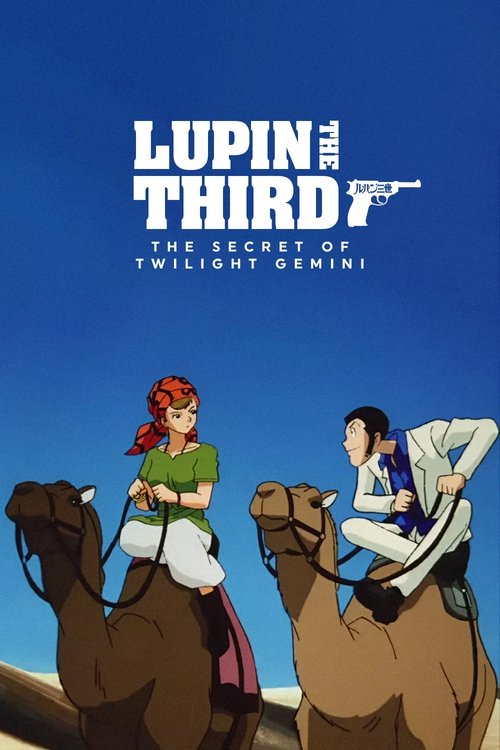
1996
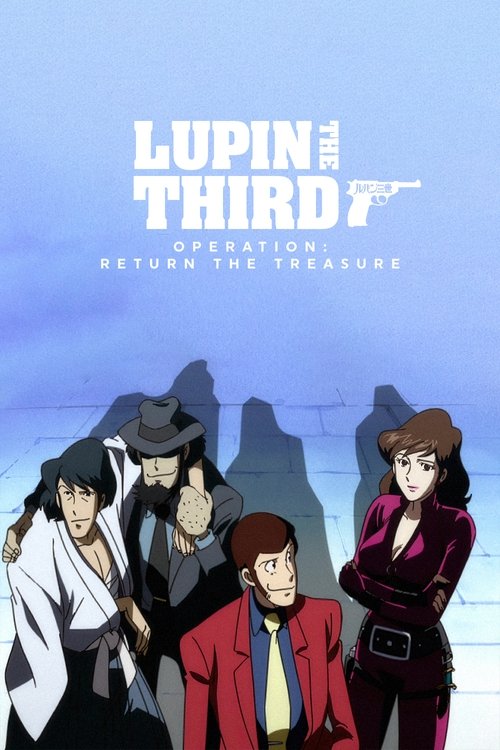
2003

1996

2008
No reviews yet. Be the first to share your thoughts on this movie!
Use the rating form above to leave a star rating and optional review.